Maori Mandala: Evaluating a Distinctive Display Typeface for Your Design Projects
In the crowded landscape of digital typography, finding a typeface that offers both aesthetic appeal and functional distinctiveness is a common challenge for designers. Maori Mandala represents a specific category of display font that draws inspiration from cultural motifs to create a visual impact. This article provides a balanced evaluation of this typeface, exploring its characteristics, ideal applications, and the practical considerations designers should weigh before incorporating it into their work. The goal is to help you determine if its unique qualities align with your project's specific needs.
Understanding the Maori Mandala Typeface
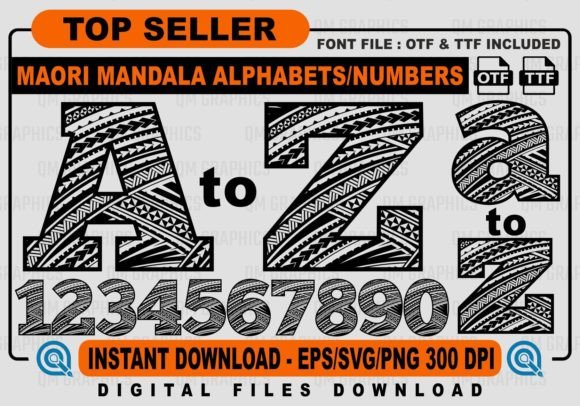
Maori Mandala is a decorative display font characterized by its intricate, bold letterforms. Its design incorporates patterns and shapes that echo the complexity and symbolic richness often found in traditional Maori art and mandala designs. Each glyph is crafted not merely as a character but as a detailed visual element, featuring geometric precision and layered details that create a sense of depth and texture. It is important to recognize that this is not a text font for body copy; its intricate details are optimized for large-scale applications where its artistic qualities can be fully appreciated.
Evaluating Its Potential Applications and Benefits
The primary benefit of Maori Mandala lies in its ability to serve as a powerful visual anchor. In a design saturated with minimalist sans-serifs, it offers an immediate point of differentiation. Its bold and detailed nature makes it particularly effective for projects that aim to convey a sense of craftsmanship, cultural appreciation, or artistic flair.
Consider its potential in the following scenarios:
- Brand Identity: For brands seeking a logo or header typography that communicates uniqueness, artistry, or a connection to nature and cultural patterns, this font can provide a strong foundation. It works well for brands in sectors like artisanal goods, wellness, music, or boutique creative agencies.
- Event Promotion: Posters, flyers, and digital banners for festivals, exhibitions, or cultural events can leverage its eye-catching qualities to stand out. The font's detailed aesthetic suits themes of celebration, heritage, and artistic expression.
- Editorial Design: Used sparingly for chapter titles, pull quotes, or featured article headers in magazines or books, it can inject personality and break the monotony of standard typographic hierarchies.
- Apparel and Merchandise: The font's bold shapes often reproduce well in screen printing or embroidery, making it a candidate for t-shirt designs, tote bags, or other merchandise where a standout graphic is desired.
Key Considerations and Potential Tradeoffs
While Maori Mandala offers significant visual appeal, its suitability is highly context-dependent. Objectively assessing its strengths and limitations is crucial for effective use.
Readability vs. Recognition
The very intricacy that makes the font distinctive can compromise readability at small sizes or in long passages. It is not designed for clarity in body text, navigation menus, or any application where quick, effortless reading is the priority. Its role is decorative and impactful, not utilitarian.
Cultural and Contextual Sensitivity
Designs inspired by cultural motifs require thoughtful application. While the font is a modern interpretation, users should consider the context of their project to ensure the application is respectful and appropriate, avoiding trivialization of cultural symbols. Research and sensitivity are key when employing such design elements.
Design Cohesion and Pairing
Integrating a highly detailed display font requires careful planning. It can easily overwhelm a design if not balanced with simpler, more neutral companion fonts. A successful pairing often involves a clean sans-serif or serif font for body text, allowing Maori Mandala to command attention only in headlines or logos without causing visual clutter.
Technical and Practical Limitations
As with any ornate typeface, file sizes may be larger, and rendering at very small pixel sizes can lead to loss of detail or visual noise. It is essential to test the font across intended media and sizes to ensure it performs as expected, particularly for web use where loading times and screen rendering are factors.
When Maori Mandala is a Strong Fit
This typeface is a strong candidate when your project's primary goal is to make a bold, artistic statement. It excels in low-volume, high-impact applications. Choose it if your design brief includes terms like "unique," "artistic," "detailed," "bohemian," "cultural fusion," or "standout logo." It is particularly well-suited for projects where the typography itself is intended to be a central graphic element, not just a vessel for information.
When to Consider Alternatives
If your project prioritizes universal readability, accessibility, or a minimalist aesthetic, alternatives should be explored. For body text, a wide range of humanist sans-serifs or classic serifs are superior choices. For a similarly bold but less intricate display need, a geometric sans-serif with high contrast or a condensed slab serif might offer impact without the detailed complexity. If the cultural theme is a primary driver, researching typefaces directly inspired by specific, well-documented cultural art forms (with proper understanding and licensing) might be more appropriate than a generalized decorative style.
Practical Decision-Making Insights
To determine if Maori Mandala aligns with your goals, follow these steps:
- Define the Role: Clarify exactly where and how the font will be used. Is it for a logo lockup, a hero section headline, or a single artistic poster? Confine its use to high-visibility, low-text-volume areas.
- Audit Your Audience: Consider your target audience's expectations. Will they perceive the font as engaging and original, or as distracting and illegible? Test with a sample if possible.
- Plan the Typographic System: Sketch out a full type hierarchy. Identify your primary body font and ensure it creates a harmonious contrast with Maori Mandala. The system should feel balanced, not chaotic.
- Test Thoroughly: Never choose a display font based on a single large preview. Test it at the exact sizes you intend to use, in the intended color palette, and against your chosen background. Check how it renders on different screens if the project is digital.
- Evaluate Licensing and Scope: Confirm the font's license allows for your intended use (e.g., commercial projects, web embedding, merchandise). Understand any restrictions.
In conclusion, Maori Mandala is a specialized tool in a designer's toolkit. Its value lies in its ability to inject personality and visual interest where standard typefaces fall short. By carefully evaluating its strengths against the practical demands of your project—focusing on context, readability, and audience—you can make an informed decision about whether this distinctive typeface is the right choice to achieve your design objectives.