Evaluating Belang Keslomot Brush: A Guide for Bold Design Projects
In the crowded landscape of digital typography, selecting the right typeface is a critical decision that influences brand perception and visual hierarchy. For designers and creators seeking a typeface that commands attention through raw energy rather than polished refinement, the Belang Keslomot Brush presents a distinct option. This article provides an objective evaluation of this display typeface, exploring its characteristics, ideal applications, and the tradeoffs involved in utilizing a bold brush style.
Understanding the Typography Style
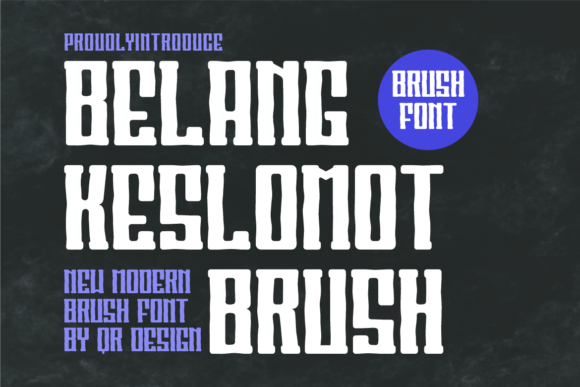
The Belang Keslomot Brush is classified as a bold display font characterized by its brush script aesthetic. Unlike traditional serif or sans-serif fonts that rely on geometric precision, this typeface mimics the organic texture of hand-painted strokes. It is designed to convey authenticity and a sense of human touch, moving away from the sterile perfection often associated with digital design.
When evaluating this font, it is important to understand the concept of "weight" and "texture." The strokes of the Belang Keslomot Brush are thick and heavy, which gives it a high visual impact. The edges are often rough or textured, simulating the bristles of a paintbrush. This creates a dynamic, energetic vibe that static fonts cannot easily replicate. However, this distinct personality also limits its versatility; it is not a neutral tool, but rather a stylistic statement.
Strategic Fit: Where This Font Excels
Determining if the Belang Keslomot Brush aligns with your project requires an analysis of the emotional tone you wish to set. This typeface is a strong fit for projects that aim to feel expressive, casual, or intense. It is particularly effective in contexts where the text serves as a graphic element rather than just a vessel for information.
Branding and Logo Design
For branding projects that require a "handmade" or "artisanal" feel, this font offers a ready-made solution. It is well-suited for logos in the food and beverage industry, particularly for craft breweries, coffee shops, or street food vendors. The brush texture suggests a personal touch and craftsmanship. However, designers should consider that this style may limit future brand expansion if the company eventually needs to convey a more corporate or serious image.
Apparel and Merchandise
The Belang Keslomot Brush is highly effective for t-shirt printing and merchandise design. In the apparel industry, legibility at a distance is less critical than the "cool factor" or the immediate visual impression. The bold strokes of the font ensure that it stands out on fabric, making it suitable for sportswear, gym apparel, or urban streetwear collections. The aggressive stance of the letters aligns well with themes of energy and movement.
Digital Media and Headers
On the web, this font shines when used for headers, hero text, or social media graphics. These are high-impact areas where designers have only a few seconds to grab a user's attention. Using the Belang Keslomot Brush for a headline can immediately break the monotony of standard web fonts, drawing the eye and establishing a mood before the user even reads the body copy.
Tradeoffs and Functional Limitations
While the aesthetic appeal of the Belang Keslomot Brush is evident, an objective evaluation must address its functional limitations. Typography is ultimately about communication, and style must not compromise clarity.
Readability vs. Aesthetics
The primary tradeoff with any bold brush font is readability. The decorative nature of the strokes can sometimes obscure letterforms, making it difficult to distinguish between similar characters (such as 'a' and 'o', or 'c' and 'e'). Consequently, this font should almost never be used for long-form body text. Attempting to read a paragraph set in Belang Keslomot Brush can cause eye strain and fatigue. It is strictly a display font, intended for short bursts of text like headlines, logos, or call-to-action buttons.
Contextual Appropriateness
Another consideration is context. While the font is outstanding for sports or branding, it would likely be inappropriate for formal industries such as law, finance, or medical services. The casual, rough nature of the brush strokes might undermine the trust and professionalism required in those sectors. When evaluating this font, designers must ask: Does this texture support the message, or does it distract from it?
Comparison with Alternatives
To make an informed decision, it is helpful to compare the Belang Keslomot Brush with other font categories.
- vs. Sans-Serif (e.g., Helvetica, Montserrat): Sans-serif fonts offer neutrality and high legibility. They are safe choices that work in almost any context. If your goal is to communicate information clearly without emotional bias, a sans-serif is a better choice than Belang Keslomot Brush.
- vs. Serif (e.g., Times New Roman, Garamond): Serif fonts convey tradition, authority, and elegance. If a project requires a sense of history or formal prestige, the modern, raw aesthetic of the brush font will feel out of place.
- vs. Script Fonts: While both are decorative, script fonts often mimic cursive handwriting and can appear elegant or formal. Brush fonts like Belang Keslomot are generally more aggressive, textured, and less formal than traditional script typefaces.
If your project requires a softer, more romantic vibe, a flowing script font might be superior. If you need raw power and gritty authenticity, the Belang Keslomot Brush is likely the stronger contender.
Practical Decision-Making Insights
Before finalizing your selection of the Belang Keslomot Brush, consider the following practical checklist to ensure it aligns with your project goals:
- Define the Hierarchy: Plan exactly where this font will appear. It should be reserved for the top tier of your visual hierarchy (Headlines/Logos). Ensure you have a highly legible companion font selected for the body text to balance the design.
- Test at Size: Brush fonts often reveal flaws at very small sizes where the texture becomes muddy noise. Test the font at the specific pixel size or print dimension you intend to use to ensure the brush texture remains visible and attractive.
- Check Character Support: If your project requires special characters, accented letters, or multilingual support, verify that the font file includes these glyphs. Display fonts sometimes have limited character sets compared to standard text fonts.
- Evaluate Scalability: Consider how this font will look across different mediums. It may look great on a large banner, but how does it render on a mobile screen or a business card? The intricate details of the brush strokes may be lost on smaller surfaces.
Conclusion
The Belang Keslomot Brush is a specialized tool designed for high-impact visual communication. It is an excellent choice for designers looking to inject energy, authenticity, and a handcrafted feel into their work. It serves particularly well in the realms of sports branding, apparel, and bold advertising.
However, it is not a universal solution. Its bold nature and textured strokes limit its utility for formal communication or dense text blocks. By weighing the benefits of its distinct aesthetic against the requirements for legibility and context, you can determine if this typeface is the right asset for your creative toolkit. When used strategically and sparingly, it can elevate a design from standard to standout.