Royal Letter: A Serif Font for Elegant Design Projects
In the vast world of typography, finding a font that balances classic elegance with modern utility is a common goal for many designers. The Royal Letter serif display font offers a distinctive solution. It is not merely a collection of letters; it is a tool designed to bring a specific character and tone to your creative work. This typeface stands out due to its refined aesthetic, making it a compelling choice for projects where presentation and first impressions are paramount.
Understanding the Core of Royal Letter
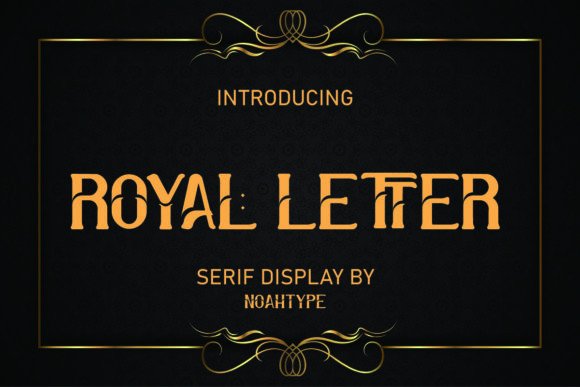
At its heart, Royal Letter is a serif display typeface. This means it features the small projecting strokes, or serifs, at the ends of letterforms, which traditionally guide the eye along lines of text in body copy. However, as a "display" font, its primary strength lies in headings, logos, and short, impactful text where its detailed letterforms can be fully appreciated. The design evokes a sense of timelessness and sophistication, often associated with formal communications, luxury branding, and editorial design.
A significant technical feature of Royal Letter is its PUA (Private Use Areas) encoding. This is a practical benefit for users of all skill levels. PUA encoding allows access to a font's full range of special characters, such as unique ligatures (where two or more letters are joined as a single glyph) and stylistic alternates, directly through standard character maps in design software. This removes the need for advanced typographic knowledge or specialized applications, making it easier for everyone to utilize the font's full creative potential.
Why Different Creators Choose This Typeface
The value of a font like Royal Letter is not universal; it depends entirely on the context of your project and your specific goals. Let’s explore how various individuals and professionals might approach this typeface.
For Graphic Designers and Branding Specialists
A professional designer often evaluates a typeface on its versatility, weight options, and how well it pairs with other fonts. Royal Letter’s elegant serif structure makes it a strong candidate for creating high-end brand identities. It could be the cornerstone of a logo for a boutique law firm, a luxury hotel, or a high-fashion label. The designer’s priority is finding a font that communicates a brand’s values instantly. The PUA encoding is particularly valuable here, as it allows for the creation of unique ligatures in logos or monograms, offering clients a truly custom look without commissioning custom lettering.
For Entrepreneurs and Small Business Owners
For a business owner, the decision is often more practical. They need a font that looks professional and trustworthy for their website, business cards, and marketing materials. Royal Letter can help a small business project an image of established quality and attention to detail. An artisan baker, for example, might use Royal Letter for their shop signage and packaging to convey a sense of tradition and craftsmanship. The key consideration is whether the font’s personality aligns with their market. It would be a perfect fit for a wedding planner but might feel out of place for a tech startup aiming for a minimalist, geometric aesthetic.
For Bloggers, Marketers, and Content Creators
In the digital space, headings need to capture attention quickly. A blogger focused on lifestyle, interior design, or travel might use Royal Letter for article titles to add a layer of polish and sophistication to their site. The font helps establish a visual tone that can make content feel more premium. For marketers, the choice depends on the campaign. A social media graphic for a new perfume would benefit from Royal Letter’s elegance, whereas a post for a software update would not. The ease of use provided by PUA encoding is a plus for creators who may not be typographic experts but still want their text to look exceptional.
For Educators and Publishers
While Royal Letter is a display font and not intended for long-form body text, it has clear applications in educational and publishing contexts. A university might use it for the cover of a commencement program, the masthead of an academic journal, or the title of a special publication. It lends an air of authority and prestige. For a publisher, it could be ideal for the title treatment of a classic novel or a historical biography. The priority here is presentation and reliability—the font must render beautifully in print and convey the appropriate intellectual or formal weight.
Practical Considerations for Your Workflow
Before integrating any new font into your toolkit, it’s wise to assess it against your workflow and project requirements. Here are a few points to consider with Royal Letter:
- Project Suitability: Does your project call for a touch of classic elegance? Think about wedding invitations, formal event programs, luxury product labels, or editorial magazine covers. If your project is casual, ultra-modern, or requires a very clean, sans-serif look, this font may not be the right fit.
- Technical Compatibility: The PUA encoding ensures broad compatibility across common design software like Adobe Illustrator, Photoshop, and InDesign, as well as many online design platforms. This makes it a flexible choice for both desktop and web-based workflows.
- Long-Term Usefulness: A well-designed serif font often ages gracefully. Investing in a typeface like Royal Letter can be valuable for creating a consistent visual identity over many years, especially for brands or publications that aim for a timeless feel.
- Creative Exploration: For hobbyists and those exploring typography, Royal Letter offers a wonderful playground. Experimenting with its ligatures and alternates can be a great way to learn about typographic detail and how small changes can impact a design’s personality.
Making the Decision for Your Next Project
Ultimately, choosing Royal Letter is about matching its inherent qualities to your vision. Its strength lies in its ability to communicate elegance, tradition, and quality through letterforms. It is not a workhorse font for setting paragraphs of text, but a specialized tool for making headlines and logos resonate.
If you are a freelancer building a brand for a client in the wellness or luxury sector, it could be a perfect asset. If you are a hobbyist designing a beautiful quote poster for your home, it will help you achieve a professional finish. If you are a marketer crafting an invitation for an exclusive event, the font’s tone will set the right mood from the first glance.
Consider downloading a specimen or sample of Royal Letter to test it in your specific context. See how it interacts with your color palette, imagery, and other typefaces. The right font feels inevitable once you find it—it elevates the work without feeling forced. For projects that demand a touch of distinction and refined character, Royal Letter presents a compelling and versatile option worthy of consideration.