Jalibar: The Bold, Friendly Display Font for Impactful Design
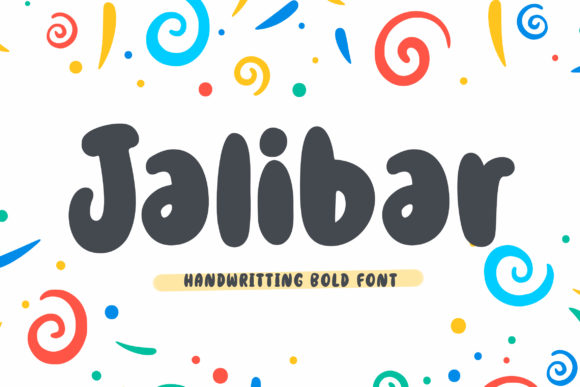
When you're building a brand, crafting a poster, or designing packaging, the typeface you choose does more than just display words. It sets a tone, creates a mood, and communicates a personality before anyone reads a single sentence. Jalibar is a prime example of a font that carries this weight with confidence and charm. It’s a thick-lettered display font that strikes a rare balance: bold enough to command attention, yet friendly enough to feel approachable and welcoming.
At its core, Jalibar is a premium font designed for impact. Its letterforms are substantial and well-rounded, giving it a solid, dependable presence. Unlike some heavy display fonts that can feel aggressive or cold, Jalibar’s slightly softened edges and consistent weight distribution lend it a warm, human touch. Think of it as the confident friend in the room who’s also a great listener. This duality makes it incredibly versatile. It doesn’t shout at your audience; it speaks clearly and with authority, while still maintaining a sense of approachability that’s crucial for connecting with people.
Where Jalibar Truly Shines: Practical Applications
Understanding a font’s personality is one thing, but knowing exactly where to deploy it is where the real design work happens. Jalibar’s strength lies in scenarios where you need to make a statement without sacrificing clarity or warmth. It’s not a body copy font; it’s the headline act, the logo anchor, the feature call-out.
In logo design, Jalibar can be transformative. A logo needs to be memorable, scalable, and reflective of the brand’s core values. For businesses that want to project strength, reliability, and a modern, approachable vibe—think craft breweries, boutique fitness studios, creative agencies, or children’s educational brands—Jalibar provides an instant foundation. Its weight ensures legibility even at small sizes on business cards, while its friendly character prevents it from feeling sterile or corporate.
For editorial design and publishing, this typeface is a powerhouse for chapter titles, pull quotes, and feature headings in magazines or blogs. It grabs the reader’s eye on a busy page and guides them into the content. When paired with a clean sans serif font or a classic serif font for body text, it creates a clear and engaging visual hierarchy. Imagine a food blog where “The Perfect Sourdough” is set in Jalibar above a recipe; it immediately feels authoritative yet inviting.
The applications extend far beyond print. In web design, Jalibar is perfect for hero section headlines, call-to-action buttons, and navigation labels. Its thick strokes ensure it renders crisply on screens. For social media graphics, where you have mere seconds to stop the scroll, Jalibar’s bold presence is invaluable. Use it for quote graphics, promotional banners, or Instagram story headers to ensure your message cuts through the noise.
Making Jalibar Work for Your Brand Identity
Choosing the right font is a strategic decision. It’s not just about what looks good in isolation, but what works within your entire brand identity system. Jalibar excels as a creative font for headlines and key messaging, but it needs the right supporting cast.
A critical step is font pairing. Because Jalibar has such a strong personality, you’ll want to pair it with something more neutral for longer text. A geometric sans serif like Montserrat or a friendly humanist serif like Lora can complement it beautifully without competing. The goal is contrast and balance. Test your pairings by setting a headline in Jalibar and a paragraph in your chosen body font. Do they feel harmonious? Does the hierarchy feel natural? This testing phase is non-negotiable for professional results.
Consider the emotional resonance. For a brand focused on artisanal, handcrafted goods, Jalibar’s thickness might feel modern and bold, but you might soften the palette with earthy colors and textures. For a tech startup, its clean geometry can convey innovation and clarity. The font is a tool; your overall design strategy directs its use.
A Practical Guide to Choosing and Using Jalibar
Before you integrate any new design asset into your workflow, a practical evaluation is key. Here’s how to approach Jalibar.
First, review the included styles. Does the family come with multiple weights or styles? While Jalibar is described as thick, check if there are lighter or bolder variations, or perhaps a companion script font or handwritten font that could expand your typographic palette for a project. More styles mean more flexibility.
Second, evaluate project fit. Ask yourself: Does the tone of this project match Jalibar’s personality? It’s a fantastic display font for marketing campaigns, packaging design, posters, and merchandise. It’s less suited for legal documents, lengthy reports, or any context where extended readability at small sizes is the priority. Be honest about the project’s needs.
Third, consider readability in context. While Jalibar is designed for clarity at display sizes, always test it in its intended environment. Set your headline at the size it will appear in the final design. View it on a mobile screen, on a printed mock-up, from a distance. Does the message come across instantly? The “thick lettered” quality should ensure it does, but real-world testing is part of a professional process.
Finally, understand the licensing. Since Jalibar is a commercial font, ensure the license covers your intended use—whether for a single client project, for your own business’s digital and print materials, or for products for sale. Clear licensing protects you and respects the work of the type designers.
In the landscape of modern typography, finding a typeface that is both impactful and adaptable is a significant win. Jalibar positions itself as exactly that: a workhorse display font with a distinct personality. It’s a tool for designers, entrepreneurs, and creators who need their typography to work as hard as they do—building recognition, ensuring professionalism, and engaging their audience with every carefully chosen word. By applying it thoughtfully to the right projects and pairing it with complementary typefaces, you can leverage its bold, friendly character to elevate your visual communication and strengthen your brand’s voice.