We Belong Together: A Practical Evaluation of This Handwritten Font
In the vast and ever-expanding world of digital typography, selecting the right font is a foundational decision that shapes the entire character of a design project. Among the myriad of options, handwritten fonts occupy a special niche, offering a human touch that can instantly make content feel more personal and approachable. The font named We Belong Together is a prime example of this category. This article provides a balanced, practical evaluation to help you determine if this particular typeface aligns with your creative and communicative goals.
Understanding the Font's Core Identity
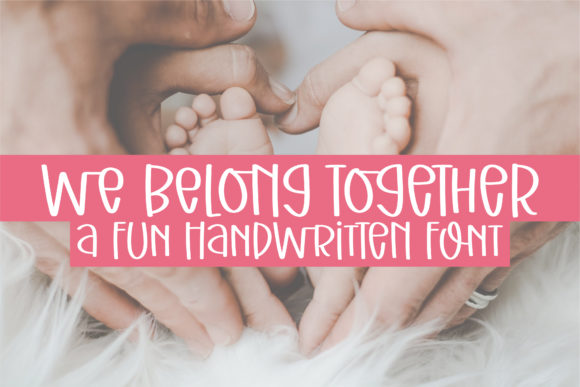
At its essence, We Belong Together is a fun, handwritten font designed to emulate the natural, slightly imperfect flow of casual penmanship. Its style is characterized by soft curves, a consistent baseline, and a friendly, informal aesthetic. Unlike highly formal script fonts that mimic calligraphy, this typeface leans into a more relaxed, everyday writing style. This makes it inherently versatile, aiming to bridge the gap between a rigid, traditional font and a completely custom hand-lettered piece. The primary value proposition of We Belong Together is its ability to inject warmth, personality, and a sense of authenticity into a design without requiring the time or skill of manual lettering.
Evaluating the Potential Benefits and Applications
The decision to use a font like We Belong Together is often driven by specific project needs. Its strengths lie in contexts where connection and relatability are paramount. Consider its use in the following scenarios:
- Branding for Personal or Small-Scale Ventures: For bloggers, crafters, boutique shops, or consultants, this font can effectively communicate a brand identity that is personable, hands-on, and trustworthy. It works well for logos, business cards, and social media graphics where building a direct rapport with the audience is key.
- Invitations and Event Stationery: The inherent friendliness of the typeface makes it a strong candidate for wedding invitations, birthday party announcements, or community event flyers. It sets a welcoming and informal tone from the outset.
- Educational and Children's Materials: The approachable letterforms can make learning materials, storybooks, or activity sheets feel more engaging and less intimidating for younger audiences.
- Web Design Accent Elements: While not suitable for body text, it can be used strategically for pull quotes, subheadings, or call-to-action buttons on websites that aim for a casual, lifestyle-oriented vibe, such as a recipe blog or a DIY tutorial site.
Considering the Tradeoffs and Practical Limitations
A thorough evaluation requires acknowledging the inherent tradeoffs of any design choice. While We Belong Together excels in friendliness, it has limitations that must be carefully weighed against project requirements.
Readability at Scale: The most critical consideration is legibility, especially in small sizes or dense blocks of text. Handwritten fonts, by their nature, can become difficult to read when used for long paragraphs or at very small point sizes, such as in footnotes or legal disclaimers. This can negatively impact user experience and accessibility.
Professional and Corporate Contexts: In environments that demand authority, seriousness, or high-tech precision—such as a law firm's website, a financial report, or a tech startup's main interface—this font may undermine the intended message. Its casualness could be perceived as unprofessional or lacking gravitas in these settings.
Visual Consistency: Overuse of a decorative font can lead to visual fatigue. Relying solely on We Belong Together for all text elements in a design can make it feel cluttered and unprofessional. It is most effective when used sparingly, paired with a clean, neutral sans-serif or serif font for body copy to create a balanced typographic hierarchy.
Making the Decision: When to Choose This Font
Determining if We Belong Together is the right fit involves a simple yet crucial alignment check between the font's personality and your project's goals. Ask yourself these practical questions:
- What is the primary emotion or tone I need to convey? If the answer involves warmth, friendliness, nostalgia, or personal connection, this font is a contender. If the tone is formal, authoritative, or minimalist, it is likely not the best choice.
- Who is my audience? Consider the audience's expectations. A font that resonates with a creative community may not align with the sensibilities of a corporate board.
- What is the context of use? Will it be used for a headline, a logo, or body text? Its suitability changes dramatically with context. It is generally safe for short, prominent text but risky for extended reading.
- How will it pair with other design elements? Plan its pairing with a more stable, readable font. The contrast between a playful handwritten font and a clean geometric sans-serif can create a dynamic and effective design.
Exploring Alternatives and Complementary Choices
If, after evaluation, you find We Belong Together doesn't quite meet your needs, the typography landscape offers many alternatives. For a slightly more polished handwritten look, consider fonts like "Amatic SC" or "Caveat." For a more rugged, marker-style effect, "Permanent Marker" might be appropriate. If the goal is simply to add a touch of personality without the full handwritten aesthetic, a humanist sans-serif like "Nunito" or "Open Sans" can provide friendliness with superior readability.
Ultimately, the choice of typeface is a strategic one. We Belong Together is a tool designed for a specific job: to add a layer of human connection and casual charm. Its effectiveness is not inherent but is realized only when applied in the right context, with careful consideration for readability, audience, and overall design harmony. By evaluating your project against the criteria outlined above, you can make an informed decision on whether this font belongs in your design toolkit.