Evaluating the Church Handwritten Font for Your Design Projects
In the vast landscape of typography, selecting a font that conveys the right emotion and aesthetic is a critical decision for any designer. The Church font presents itself as a distinct option within the handwritten category, characterized by its elegant and neat style. This article provides a balanced evaluation of the Church typeface, exploring its characteristics, ideal applications, and potential limitations to help you determine if it aligns with your creative objectives.
Understanding the Core Characteristics of Church
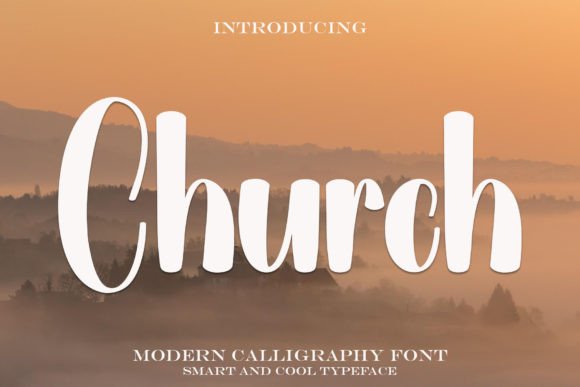
At its foundation, Church is a script font designed to mimic the fluidity and personality of elegant handwriting. Unlike casual or messy handwritten styles, Church aims for a polished and refined appearance. Its letterforms are typically connected, featuring smooth curves and varying stroke weights that emulate the pressure of a pen or brush. This design creates a sense of sophistication and warmth, setting it apart from more rigid, traditional serif or sans-serif typefaces.
The font's "timeless" quality, as often described, stems from its classic calligraphic influences. It avoids overly trendy or decorative elements that might date a design quickly. Instead, it focuses on legibility within its stylistic constraints, ensuring that the text remains readable while maintaining its decorative purpose. This balance is crucial for projects that require both visual appeal and functional communication.
Reasons for Considering the Church Font
Designers and creators might gravitate toward the Church font for several specific reasons. Its primary appeal lies in its ability to inject a personal, human touch into digital designs. In an era dominated by clean, geometric interfaces, a font like Church can add warmth, personality, and a sense of handcrafted care. This makes it particularly effective for projects where establishing an emotional connection with the audience is a priority.
Furthermore, its elegance makes it suitable for formal or celebratory contexts. It can evoke feelings of romance, nostalgia, or luxury without appearing ostentatious. The font's distinct style helps designs stand out in a crowded visual space, offering an alternative to the multitude of modern, minimalist typefaces available.
Practical Benefits and Potential Tradeoffs
When evaluating Church, it is essential to weigh its benefits against potential limitations.
Key Benefits
- Aesthetic Appeal: It successfully delivers an elegant and neat handwritten look, which can elevate the perceived quality of a design.
- Emotional Resonance: The style can foster a stronger emotional connection with viewers compared to impersonal, standard fonts.
- Brand Differentiation: Using Church can help a brand or project stand out by adopting a less common typographic style.
Important Tradeoffs
- Readability at Small Sizes: Like many script fonts, Church's legibility can decrease significantly when used at small point sizes or in long blocks of body text.
- Context Limitations: Its formal elegance may not suit casual, technical, or highly professional corporate contexts where a more neutral typeface is expected.
- Overuse Risk: Its strong personality can become overwhelming if used excessively, potentially making a design feel cluttered or dated.
Ideal Situations for Using the Church Font
The Church font tends to be a strong fit in specific scenarios where its strengths are maximized.
- Headlines and Display Text: Using Church for short, prominent text elements like logos, hero section titles, or pull quotes allows its elegance to shine without compromising readability.
- Wedding and Event Stationery: Its romantic and sophisticated style is naturally suited for invitations, programs, and thank-you cards.
- Product Packaging and Branding: For brands in the beauty, artisanal food, or boutique retail sectors, Church can help communicate a handcrafted, premium quality.
- Greeting Cards and Personal Projects: The font adds a personal touch to digital or printed cards, scrapbooks, and personalized gifts.
- Website Accent Elements: It can be effective for specific website components like call-to-action buttons, section headers, or decorative quotes to break up monotony.
When to Consider Alternatives to Church
There are clear situations where other typographic choices would be more appropriate.
- Body Copy and Long-Form Text: For paragraphs of text, a highly legible serif or sans-serif font is always preferable. Church would hinder reading comfort and speed.
- Technical or Informational Content: Manuals, reports, and data-heavy documents require clarity above all else, making neutral, clean fonts a better choice.
- Minimalist or Ultra-Modern Designs: If the design aesthetic is stark, geometric, or heavily technology-focused, Church's traditional elegance might feel out of place.
- Applications Requiring Maximum Accessibility: For interfaces where accessibility is paramount (e.g., government websites, healthcare portals), fonts with very clear letterforms and high readability scores are essential.
If you need a handwritten style but require higher legibility, consider exploring sans-serif handwritten fonts or print-style script fonts that are optimized for screen reading.
Decision-Making Insights for Your Project
To decide whether Church is the right font for you, follow this practical evaluation process:
- Define Your Project's Primary Goal: Is it to evoke emotion, convey luxury, or simply communicate information? Church excels at the first two.
- Analyze Your Audience: Consider the expectations and preferences of your target users. Will they appreciate and connect with a handwritten, elegant style?
- Test in Context: Always create mockups or prototypes using Church in the specific application (e.g., on a website header, a product label). Evaluate its visual impact and readability at the intended size.
- Consider Font Pairing: Church will almost always need to be paired with a more neutral, readable font for body text. Test potential pairings to ensure visual harmony and contrast.
- Evaluate Licensing: Ensure the font's license permits your intended use, whether for personal projects, commercial products, or web embedding.
Ultimately, the Church handwritten font is a specialized tool. It is not a universal solution but a powerful stylistic choice for specific applications. By understanding its inherent strengths in elegance and personality, and by carefully considering the context of your project and the needs of your audience, you can make an informed decision. When used thoughtfully and sparingly, it can indeed help create designs that feel distinct, personal, and timeless.