Stone Old: Integrating a Handwritten Font with Primitive Flair into Your Design Workflow
The Process of Selecting Authentic Typography
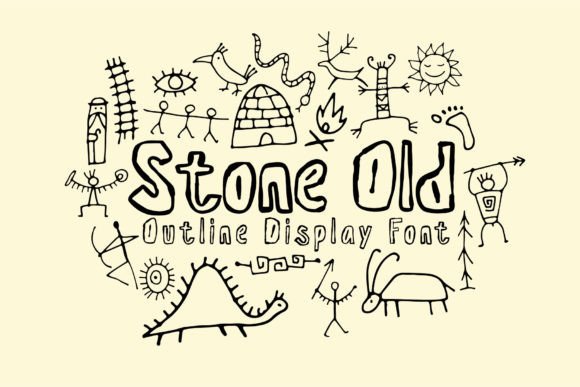
In the lifecycle of a design project, typography selection is a foundational step that dictates the tone of the final output. Stone Old is a specific handwritten font that functions as a bridge between modern digital design and the tactile authenticity of primitive stone carvings. It is not merely a decorative choice; it is a strategic asset for projects requiring a sense of history and permanence. When planning a visual identity, the inclusion of Stone Old serves as a commitment to a vintage aesthetic. This font captures the essence of writing etched into stone through bold, linear strokes that mimic the pressure and irregularity of ancient inscriptions. For designers and creators, understanding where this font fits within a broader process is the first step toward effective implementation. It is best utilized when the project brief calls for a "traditional ambiance" or "wisdom of the past," distinguishing the content from the sleek, sterile look of modern sans-serifs.
Preparation and Asset Evaluation
Before deploying Stone Old in a live environment, a preparation phase is necessary to ensure compatibility with existing assets. This involves evaluating the texture and weight of the font against the project's color palette and imagery. Because the font is inspired by linear strokes found in stone carvings, it carries a heavy visual weight. During the planning stage, creators should prepare high-contrast backgrounds or textured overlays that complement the font’s rough edges. This preparation prevents the typeface from looking out of place against overly smooth, minimalist digital surfaces. The goal is to create a cohesive visual narrative where the typography does not feel "pasted on" but rather integrated into the medium, much like an inscription is part of the stone itself.
Workflow Integration: From Concept to Execution
Integrating a specialized typeface like Stone Old into a professional workflow requires more than just dragging and dropping text boxes. It interacts with other design elements to create a unified message. For instance, in a branding workflow for a heritage brand or a historical publication, Stone Old can serve as the primary display typeface for headlines. This decision impacts the subsequent selection of body copy fonts. To maintain readability and workflow efficiency, designers should pair this bold, textured font with a clean, simple serif or sans-serif for long-form text. This pairing strategy ensures that the "primitive" flair of the headers does not compromise the legibility of the information architecture.
Practical Implementation in Digital and Print
When moving from the design phase to execution, specific implementation details regarding Stone Old must be addressed. For digital applications, such as website headers or social media graphics, the font’s bold strokes are excellent for grabbing attention in cluttered feeds. However, due to its intricate texture, it may require specific anti-aliasing settings to render correctly on different screen resolutions. In print workflows, the font interacts differently with paper stock. On uncoated or textured paper, the Stone Old font enhances the tactile experience, mimicking the feeling of a stamp or a relief. Conversely, using this font on glossy, high-shine paper can create a dissonance that breaks the illusion of antiquity. Therefore, during the pre-press phase, quality control checks should include a review of how the font edges interact with the substrate.
Strategic Use Cases and Audience Connection
The utility of Stone Old extends beyond aesthetics; it is a tool for communication strategy. For entrepreneurs and small business owners, particularly those in niches like artisanal goods, history education, or outdoor adventure, this font conveys reliability and a connection to the past. It is suitable for packaging design where the goal is to depict authenticity and traditional craftsmanship. In the context of a marketing workflow, using this font on a call-to-action button or a headline can evoke a specific emotional response: the feeling of something built to last. This aligns with the psychological principle that "old" often equates to "trustworthy" in consumer perception.
Organizing Projects Around Thematic Consistency
For freelancers and agencies managing multiple client assets, organization is key. When incorporating a niche font like Stone Old, it is advisable to create a dedicated style guide section for its usage. This ensures consistency across different deliverables, from social media posts to internal documents. The workflow should include a "Typography Rules" document that specifies the exact contexts where Stone Old is permitted—usually for emphasis or branding—and where it is restricted. This prevents the overuse of the font, which can dilute its impact and make the design look cluttered. By treating the font as a specialized tool rather than a default option, creators maintain the strong and reminiscent strokes of the design without overwhelming the viewer.
Maintenance, Scalability, and Long-Term Use
As a project evolves, the role of typography must adapt. Stone Old is designed to be a permanent fixture in a designer's toolkit, suitable for long-term use in campaigns that rely on a timeless message. However, scalability is a factor to consider. While the font excels at large sizes where the textures and authenticity are visible, it may lose legibility at very small sizes. Therefore, in a responsive design workflow, alternative arrangements must be made for mobile views or small print applications. This might involve switching to a simplified version of the typeface or a complementary font that maintains the "vintage" vibe without the intricate details. Planning for these variations ensures that the project remains functional and accessible across all platforms.
Efficiency and Decision Making
Ultimately, the decision to use Stone Old is a decision about brand voice. For educators and bloggers, it can be used to highlight key takeaways or quotes, lending them a sense of gravitas and importance. The font acts as a visual cue that the text is significant, much like an inscription on a monument. By integrating this font thoughtfully, professionals can enhance their storytelling without relying on verbose descriptions. The typography itself does the heavy lifting of establishing the atmosphere. This efficiency allows creators to focus on the content, knowing that the visual presentation supports the message of wisdom and antiquity inherent in the design. Proper integration of Stone Old