Shimmy: Unlocking Creative Potential with a Handwritten Font
In the search for a typeface that conveys warmth, personality, and a human touch, designers and creators often find themselves wading through thousands of options. Shimmy stands out as a creative and modern handwritten font designed to bridge the gap between casual elegance and functional versatility. It is not merely a script; it is a tool for adding a distinct voice to visual projects. You can successfully use this lovely typeface for wall displays, wedding invitations, social media post logos, advertisements, product packaging, product designs, labels, photography, watermarks, invitations, stationery, and any project that requires a taste of authentic handwriting.
Understanding the Nature of Shimmy
Before integrating any new font into a workflow, it is vital to understand its structural personality. Shimmy is characterized by its fluid strokes and modern aesthetic, making it particularly attractive to those looking to move away from rigid, standard serif or sans-serif fonts. However, the allure of a beautiful script often leads to a critical oversight: the failure to evaluate readability at scale. A font that looks stunning on a high-resolution monitor in a 72pt size may become an unreadable blur on a mobile device or a printed business card.
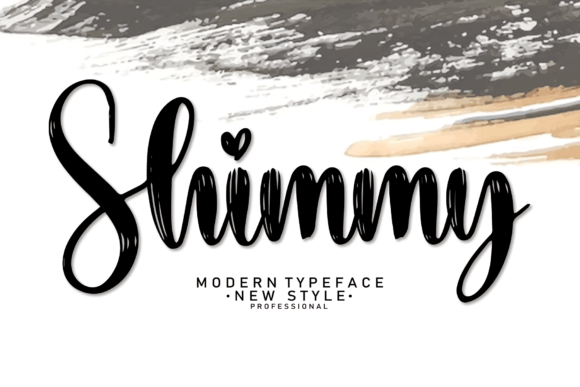
A common mistake among beginners and even seasoned professionals is selecting a font based solely on the "hero image" provided by the foundry. While Shimmy offers a charming aesthetic, you must test it in the context of your specific medium. For instance, using this typeface for body copy in a long-form blog post would be a poor decision. Handwritten fonts are taxing on the eyes when read in large blocks. The better approach is to reserve Shimmy for headlines, pull quotes, or accent text where its personality can shine without causing reader fatigue.
Navigating the Pitfalls of Script Typography
One of the most frequent errors in using fonts like Shimmy is the mishandling of spacing and kerning. Handwritten scripts are designed to flow naturally, much like cursive handwriting. However, when placed into software with default tracking settings, the letters can appear disjointed or overly crowded. This disrupts the illusion of natural handwriting and makes the design look amateurish.
If you are working on a logo or a wedding invitation, you cannot simply type the text and call it finished. You need to manually adjust the kerning—the space between individual characters—to ensure the letters connect seamlessly. For example, the transition from a "g" to a "y" in Shimmy might require overlapping or tightening to maintain that fluid, handwritten rhythm. Ignoring this step results in a disjointed visual presentation that undermines the quality of your stationery or branding materials.
The Issue of Contrast and Background
Another area where creators often stumble is color contrast. Because Shimmy is a handwritten font, it typically features varying stroke widths—thick on the downstroke and thin on the upstroke. If you place this font on a busy background, such as a textured photograph or a complex pattern, the thin strokes can disappear, making the text illegible.
This is a frequent issue in social media posts and watermarks. To avoid this, do not simply overlay the text on an image. Instead, apply a subtle background blur behind the text or place the text within a solid shape, like a badge or a ribbon. Alternatively, ensure the image has a "quiet" area—such as a clear sky or a solid wall—where the elegance of Shimmy can be appreciated without visual competition.
Technical Considerations: Licensing and File Formats
When moving from the creative phase to the technical execution, specifically regarding downloading and buying, many users make the mistake of overlooking licensing requirements. Shimmy, like most professional typefaces, comes with specific usage rights. A common misunderstanding is the difference between desktop and web licensing.
If you are a small business owner creating a logo for your shop, a standard desktop license is usually sufficient. However, if you intend to use Shimmy on your website headers using CSS @font-face, you generally require a separate web license. Failing to check this before purchasing can lead to legal complications or additional costs down the line. Always read the license agreement carefully to ensure your usage—whether for product packaging or digital advertisements—is covered.
File Formats and Compatibility
Furthermore, pay attention to the file formats provided in your download package. Modern projects often require OpenType (.OTF) or TrueType (.TTF) files. If you are working on the web, you might need Web Open Font Format (.WOFF) files. Before purchasing Shimmy, verify that the package includes the formats compatible with your software. Using an incompatible file format can lead to rendering errors, where the font appears pixelated or fails to load entirely, creating a frustrating bottleneck in your design process.
Practical Applications and Better Approaches
Let us look at how to apply Shimmy effectively in real-world scenarios. Consider product packaging for a small bakery. The goal is to communicate "homemade" and "artisanal." Shimmy is an excellent choice for the brand name on the label. However, a mistake would be using the same font for the ingredient list or the nutritional information.
Script fonts are notoriously difficult to read in small sizes, particularly when printed on packaging that customers might be holding at arm's length. A corrective approach is to pair Shimmy with a clean, legible sans-serif font for the details. Use Shimmy to draw attention ("Sourdough Loaf"), and use a font like Helvetica or Open Sans for the description and ingredients. This hierarchy ensures the design is both beautiful and functional.
Event Invitations and Stationery
For wedding invitations or stationery, the emotional connection is paramount. You want the text to feel personal. However, a common pitfall is "over-styling." Do not mix Shimmy with too many other decorative elements, such as excessive swashes, borders, and competing fonts. This creates visual noise.
Instead, let the font breathe. If you are designing an invitation, use Shimmy for the names of the couple and perhaps the date. Keep the location and RSVP details in a simpler typeface. This creates a visual focal point. Additionally, ensure you test print the invitation on the actual paper stock you plan to use. Ink bleeds differently on textured cardstock compared to smooth paper, which can affect the legibility of the delicate strokes found in Shimmy.
Evaluating and Comparing Fonts
When you are evaluating Shimmy against other options, look beyond the initial aesthetic appeal. Check for the availability of alternate characters and ligatures. High-quality handwritten fonts often include different versions of letters (like a lowercase "a" or "t") to prevent repetition, which makes the text look more authentically handwritten. If Shimmy includes these OpenType features, learn how to access them in your design software (such as Adobe Illustrator or Photoshop) to elevate your work.
Additionally, consider the tone. While Shimmy is modern, some projects might require a more formal or vintage script. Do not force a modern handwritten font into a project that demands historical gravitas. Understanding the emotional weight of the typeface ensures your message is communicated clearly.
Conclusion
Choosing the right typeface is a critical decision in any design project. Shimmy offers a wonderful balance of creativity and modernity, making it a valuable asset for entrepreneurs, designers, and hobbyists alike. By avoiding common mistakes—such as neglecting legibility, ignoring kerning, misunderstanding licensing, and misapplying the font in dense text blocks—you can harness the full potential of this typeface. Use it to add a human touch to your brand, your invitations, or your social media presence, and let your creativity flow naturally.