Presure: A Sweet and Friendly Handwritten Font for Creative Projects
Choosing the right typeface often feels like a small detail, but it fundamentally shapes how a message is received. When a project calls for warmth, personality, and a human touch, standard digital fonts can sometimes fall short. This is where a font like Presure enters the conversation. It is not merely a collection of letters; it is a specific style choice designed to evoke friendliness and approachability. For professionals and hobbyists alike, understanding the practical application of such a font can transform a standard design into something memorable.
Defining the Visual Character of Presure
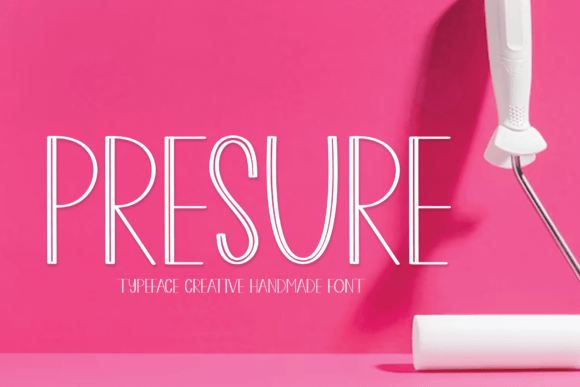
Presure is best categorized as a sweet and friendly handwritten font. Unlike chaotic or overly artistic brush scripts that can be difficult to read, Presure balances creativity with clarity. The letterforms mimic the natural flow of a hand holding a pen, featuring soft curves and a gentle baseline. This aesthetic creates an immediate emotional connection with the viewer, suggesting that the content was crafted with care rather than generated by a machine.
The versatility of Presure lies in its ability to adapt to various contexts without losing its core identity. It avoids the rigidity of serif and sans-serif fonts, offering a relaxed vibe that is often missing in corporate or formal design. However, it maintains enough structure to ensure legibility, which is a critical requirement for any effective typeface. When you select Presure, you are choosing a font that communicates warmth before the reader even processes the specific words.
Enhancing Invitations and Personal Correspondence
One of the most common applications for a handwritten font is in the realm of stationery, specifically wedding invitations and greeting cards. The goal of a wedding invitation is to set the tone for the event. A stiff, geometric font might suggest a very formal affair, but it rarely conveys the joy and intimacy of a union. Presure excels in this environment because its sweet nature aligns perfectly with celebratory sentiments.
Using Presure for headers or names on an invitation can soften the overall look of the layout. For example, pairing this font with a clean, light sans-serif for the body text creates a balanced hierarchy. The handwritten element draws the eye to the most important information—the names of the couple or the date—while the supporting text provides the necessary details. This combination saves time for designers who might otherwise struggle to find a serif and script pairing that works harmoniously.
Beyond weddings, consider the impact of Presure on personal branding materials. Freelancers or small business owners who want to appear approachable can use this font on thank-you cards included with product shipments. It reinforces a brand identity that values customer relationships and personal connection, strengthening communication without requiring a single extra word.
Practical Applications in Marketing and Digital Design
While Presure is ideal for print, its utility extends significantly into digital marketing and web design. In a digital landscape saturated with sharp edges and minimalist designs, a handwritten element can serve as a pattern interrupt. It captures attention because it feels organic.
For social media managers and content creators, Presure is a valuable asset for creating quote graphics, Instagram stories, or Pinterest pins. These platforms thrive on authenticity. A quote presented in a standard block font often gets scrolled past. The same quote rendered in Presure feels like a personal note from the creator to the reader. This subtle shift in presentation can improve engagement rates because it humanizes the content.
Furthermore, entrepreneurs developing landing pages or email newsletters can use Presure to highlight specific calls to action or friendly asides. For instance, a small handwritten note saying "P.S. Don't miss this!" in the font can draw the eye more effectively than a bolded block of text. It helps simplify decisions for the reader by guiding them visually through the content in a friendly, non-aggressive manner.
Supporting Creativity and Efficiency in Workflow
For graphic designers and educators, efficiency is paramount. Searching for the perfect font can consume hours of production time. Having a reliable, versatile option like Presure in your toolkit streamlines the creative process. Because it is designed to be legible and friendly, it works across a wide variety of themes without needing extensive modification.
Consider an educator creating worksheets for younger students or resources for a community workshop. The intimidating nature of formal typography can create a barrier to learning. Presure offers a solution by presenting information in a way that feels accessible and encouraging. It supports the goal of making educational materials less stressful and more engaging.
Similarly, bloggers looking to establish a distinct voice can use Presure for their logo or section headers. It helps solve the problem of brand differentiation. In a sea of blogs using the same standard Google Fonts, a sweet handwritten font helps establish a unique visual identity that readers will recognize and remember over time.
Understanding Limitations and Best Fit
While Presure is highly versatile, it is important to acknowledge where it fits best and where it might not be the ideal choice. As a handwritten font, it is generally not recommended for long blocks of body copy, such as the main paragraphs of a blog post or a legal document. Extended reading in script fonts can cause eye strain and reduce comprehension speed. The value of Presure is in its ability to accent and highlight, not to replace the workhorse fonts used for dense information.
Additionally, context matters. If you are designing a report for a strictly corporate boardroom or a legal contract, the "fun touch" of Presure might undermine the seriousness of the content. In these professional scenarios, a more conservative approach is necessary. However, for any project where the goal is to connect, celebrate, or create a welcoming atmosphere, Presure is an excellent choice.
When selecting this font, it is also wise to test it at different sizes. Handwritten fonts can sometimes lose legibility at very small sizes. Ensuring that the specific text remains clear on both mobile devices and desktop screens is a crucial step in the design process.
Conclusion: Elevating Design with a Human Touch
Ultimately, Presure is more than just a typeface; it is a tool for better communication. It allows creators to inject personality and warmth into their projects, whether they are designing a wedding invitation, a marketing campaign, or educational materials. By choosing a font that is sweet and friendly, you are making a deliberate choice to be more approachable to your audience.
For anyone looking to improve their presentation and add a creative flair to their work, exploring the capabilities of Presure