Chupa Chups Sweet Jelly: A Handwritten Font for Creative Projects
Finding the right typeface for a project can feel like searching for a specific color in a vast spectrum. You need something that conveys a particular mood, fits the context, and performs well. In the world of handwritten fonts, this search often leads to options that are either too messy, too formal, or simply lack personality. This is where a well-crafted typeface like Chupa Chups sweet Jelly enters the conversation. It’s a font designed to bridge the gap between playful spontaneity and professional readability, offering a tool that feels both personal and polished.
Anatomy of a Typeface: Key Characteristics
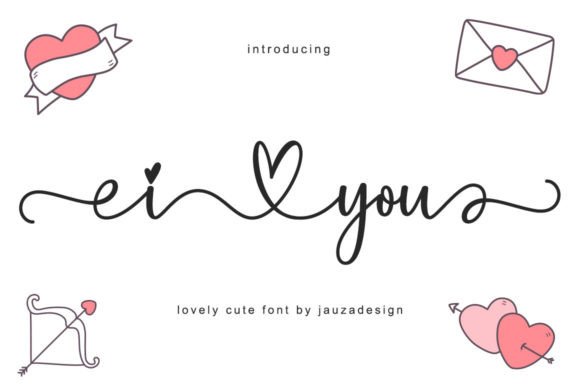
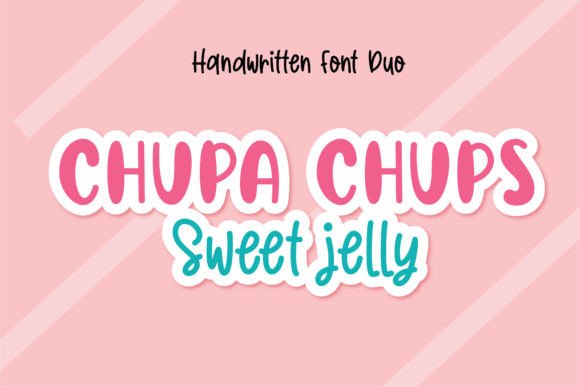
At its core, Chupa Chups sweet Jelly is a digital interpretation of natural handwriting. Its defining trait is a soft, rounded quality that mimics the look of a gel pen or marker on smooth paper. The letterforms are intentionally uneven, with subtle variations in baseline and stroke width that avoid the rigid uniformity of standard fonts. This organic irregularity is what gives it its "cute and flexible" character. It feels human, approachable, and full of energy.
The font’s design balances expressiveness with clarity. While it has a strong personality, it remains highly legible at common sizes used for headlines, logos, and short-form text. The spacing is generally generous, preventing letters from feeling cramped and allowing each character to breathe. This attention to detail ensures that the font doesn’t just look good in a specimen sheet; it functions effectively in real-world designs where communication is paramount.
Practical Applications Across Different Fields
The versatility of a font like Chupa Chups sweet Jelly is where its true value lies. Its style is adaptable enough to serve multiple purposes without feeling out of place. For entrepreneurs and small business owners, it can be a secret weapon for branding. Imagine a bakery using it for its logo and menu boards—the font instantly communicates warmth, creativity, and a homemade feel. A children’s clothing brand might use it on hang tags and website headers to evoke playfulness and fun.
For marketers and content creators, this typeface shines in digital environments. It’s an excellent choice for social media graphics, particularly on platforms like Instagram or Pinterest where visual personality is key. A call-to-action button or a promotional quote set in Chupa Chups sweet Jelly can stand out in a feed, drawing the eye without being garish. Bloggers and educators can use it to add a personal touch to infographics, presentation slides, or PDF guides, making information feel more accessible and less intimidating.
In personal projects, the applications are nearly limitless. It’s perfect for creating custom greeting cards, party invitations, or scrapbooking layouts. Freelance designers often keep fonts like this in their toolkit for client projects that require a specific, approachable aesthetic. The key is matching the font’s inherent cheerfulness with the project’s intended message.
Strategic Benefits for Communication and Branding
Choosing a typeface is a strategic decision that impacts how a message is received. Using Chupa Chups sweet Jelly can offer several tangible benefits. In terms of usability, its clear letterforms reduce the cognitive load for the reader, even with its decorative nature. This makes it more efficient than overly stylized script fonts that can slow down reading.
From a branding perspective, consistency is crucial. If your brand voice is friendly, innovative, or youthful, this font can become a core part of your visual identity. It helps create a cohesive look across your website, social media, and print materials, strengthening brand recognition. For engagement, a font with personality can make content more memorable. A viewer is more likely to pause on an Instagram story or a Pinterest pin that uses a distinctive, well-chosen typeface.
Consider the user experience on a website. Using Chupa Chups sweet Jelly for headlines or specific UI elements (like notification badges or button text) can add a layer of delight without compromising the site’s overall professionalism. It breaks the monotony of standard web fonts and can guide the user’s attention to important elements.
Implementation: Best Practices and Considerations
Like any design tool, using Chupa Chups sweet Jelly effectively requires some thought. Its strength is in headlines and short bursts of text. Setting an entire paragraph in it would likely sacrifice readability. The best practice is to pair it with a simple, neutral sans-serif or serif font for body copy. This creates a pleasing contrast where the handwritten font adds flair, and the companion font ensures clarity.
When evaluating the font for a project, test it at the intended size and in the actual context. See how it looks on both a mobile screen and a desktop monitor. Check its performance in different colors against various backgrounds. A font that looks perfect on a white background might lose its charm on a dark one.
Licensing is another practical consideration. Ensure the font’s license covers your intended use, whether it’s for a personal blog, a commercial product, or a client’s brand. Many quality handwritten fonts come with clear licensing tiers for different needs.
Ultimately, Chupa Chups sweet Jelly is more than just a cute font. It’s a versatile design asset that, when used thoughtfully, can inject energy, warmth, and a distinctly human touch into a wide array of projects. Its value lies in its ability to make communication feel more personal and designs more engaging, all while maintaining the legibility needed for effective messaging.