Unleashing Creativity: The Whimsical World of Paper Cut Display Font
In the vast digital landscape of typography, where sleek sans-serifs and elegant serifs often dominate the conversation, there exists a playful sanctuary for those who love the tactile joy of crafting. This sanctuary is embodied by the Paper Cut display font. It is more than just a collection of letters; it is a whimsical world where typography meets the art of handicraft. For designers, educators, and hobbyists looking to inject a sense of handmade authenticity into their projects, Paper Cut offers a unique solution that bridges the gap between digital precision and analog charm.
What Exactly is the Paper Cut Aesthetic?
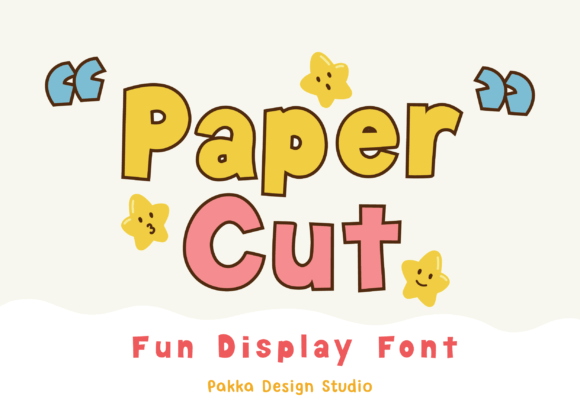
To understand the Paper Cut font, one must first appreciate the art form it emulates. Paper cutting is one of the oldest and most universal forms of art, found in cultures ranging from Chinese jiǎnzhǐ to Polish wycinanki. It involves the delicate removal of material to create a silhouette or a detailed scene. The Paper Cut font captures this essence digitally. It is not a rigid, corporate typeface; rather, it is a collection of playful pieces, reminiscent of a child’s scissors-and-glue project.
When you look at the characters in this font, you don't just see a "B" or an "R"; you see shapes that look like they have been hand-cut from colored construction paper. The edges may feature slight irregularities or shadow effects that mimic the layering of physical sheets. This creates a visual texture that feels warm, inviting, and deeply personal. It transforms a simple headline into a piece of art that feels like it was pasted onto the screen by hand.
The Psychology of Play: Why Whimsy Works
In a world increasingly dominated by flat design and minimalism, the Paper Cut font serves as a reminder of the power of play. From a psychological perspective, design elements that mimic childhood activities—like cutting paper dolls or creating colorful scenes—trigger a sense of nostalgia and comfort.
For the general reader, this means that content presented in a crafty style is often perceived as more approachable and less intimidating. If a business wants to communicate a message that is friendly, transparent, and creative, using a font like Paper Cut can instantly alter the tone of the conversation. It tells the viewer, "This space is safe for imagination," or "We value the human touch." It is a rejection of the cold, sterile nature of industrial design in favor of something that feels alive and organic.
Practical Applications: Where Paper Cut Shines
The versatility of the Paper Cut display font allows it to shine across various domains. While it is a display font—meaning it is best suited for headers and titles rather than long blocks of body text—its impact on a project’s visual identity is significant.
1. Children’s Education and Entertainment
The most natural habitat for this font is in projects related to children. Whether it is for a school newsletter, a kindergarten brochure, or the title card of an animated YouTube series, Paper Cut captures the attention of young minds. Its visual similarity to actual school projects makes it relatable. It reinforces the idea of learning through play, making educational materials feel less like a chore and more like an adventure.
2. DIY and Crafting Communities
For the booming community of Do-It-Yourself (DIY) enthusiasts, authenticity is key. A blog post about "10 Ways to Recycle Old Magazines" or a tutorial on "Making Your Own Greeting Cards" needs a visual language that matches its content. Using a standard corporate font for a crafting blog can create a jarring disconnect. Paper Cut acts as a bridge, ensuring that the typography speaks the same language as the content—literally and figuratively.
3. Event Invitations and Branding
Consider a child’s birthday party invitation. The goal is to excite the guests and set the tone for a fun event. A whimsical, paper-textured font immediately sets the mood. Similarly, small businesses that specialize in handmade goods, bakeries with a homey vibe, or boutique toy stores can use this font to create a brand identity that stands out from the mass-produced competition.
Integrating Paper Cut into Modern Design
While the font evokes an analog feeling, it is a tool for the modern digital age. Here is how you can practically integrate the Paper Cut aesthetic into your workflow:
- Pairing with Simplicity: Because Paper Cut is detailed and textured, it works best when paired with a simple, clean background. A busy background can make the text hard to read. Let the letters be the stars of the show by placing them on solid, contrasting colors.
- Color Theory: This font loves color. Just as you would choose construction paper in vibrant reds, blues, and greens, don't be afraid to apply bold colors to the text. It mimics the "cut and paste" look where different letters might even be different colors (if the software allows).
- Hierarchy and Spacing: As a display font, tracking (the space between letters) might need to be adjusted. Because the letters are often irregular shapes, they may need a little breathing room to ensure legibility. Use it for H1, H2, or logos, but switch to a clean sans-serif for the paragraph text.
Clarifying Common Misunderstandings
A common assumption about "themed" fonts like Paper Cut is that they are unprofessional. This is a misconception that limits creativity. In modern marketing and education, "professionalism" is defined by context and audience understanding. A law firm would not use this font for a legal brief, but a creative agency pitching a campaign to a toy manufacturer would be wise to use it. The font demonstrates an understanding of the target demographic.
Another misunderstanding is that display fonts are difficult to read. While it is true that overly ornate scripts can be illegible, well-designed whimsical fonts like Paper Cut are usually crafted with readability in mind. They balance artistic flair with letter recognition, ensuring that the message is delivered clearly, even if it is wrapped in a playful package.
The Role of Typography in Storytelling
Every design tells a story. The choice of typeface is the narrator's voice. When you choose the Paper Cut font, you are choosing a narrator that sounds like a friendly teacher, a creative parent, or an imaginative child. It brings the joy of crafting to life, reminding the viewer of rainy afternoons spent making paper chains or cutting out snowflakes.
In an era where we are bombarded with information, this font offers a moment of pause. It invites the viewer to look closer, to appreciate the texture, and to feel a connection to the material world. It is a celebration of imperfection—the slight wobble of a hand-cut edge—in a digital world that usually strives for pixel-perfect symmetry.
Conclusion: Bringing the Joy of Crafting to the Screen
The Paper Cut display font is more than a utility; it is an experience. It captures the essence of creative adventures, reminiscent of making paper dolls and crafting colorful scenes. For designers and content creators, it offers a powerful way to communicate warmth, creativity, and approachability.
By incorporating this font into your projects, you are not just choosing a style; you are embracing a philosophy that values the handmade over the manufactured. Whether you are designing a website for a local daycare, creating a flyer for a community craft fair, or simply looking to add a touch of whimsy to a personal project, Paper Cut provides the perfect visual vocabulary. It proves that in the world of design, sometimes the most effective way to connect with an audience is to remind them of the simple joy of creation.