The Charm of Handwritten Fonts: Understanding the Role of Typography in Modern Design
In the vast digital world we inhabit today, the way words look is just as important as what they say. While the mechanics of reading rely on recognizing letters, the art of communication relies heavily on typography. Typography is the visual component of the written word, encompassing everything from the font style to the layout on a page. Among the thousands of font families available to designers and everyday users, handwritten fonts hold a special place. They bridge the gap between the impersonal nature of digital text and the warmth of human touch.
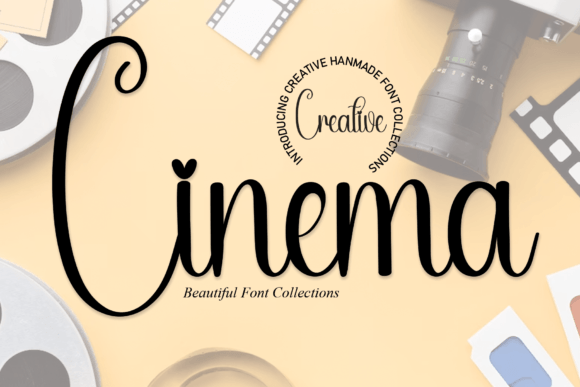
One excellent example of this style is the Cinema font. Described as a sweet and friendly handwritten typeface, Cinema is not just a collection of letters; it is a design tool that evokes emotion. It represents a broader category of creative assets that allow individuals to inject personality into their projects. Whether you are a small business owner, a bride-to-be planning a wedding, or a student working on a presentation, understanding how to use fonts like Cinema can transform your work from ordinary to extraordinary.
What Defines a Handwritten Font?
Before diving into specific use cases, it is helpful to understand what makes a font "handwritten." Unlike sans-serif fonts (like Arial or Helvetica) or serif fonts (like Times New Roman), which are constructed with geometric precision, handwritten fonts mimic the fluidity of natural handwriting. They often feature irregular baselines, varying letter sizes, and organic shapes that replicate the movement of a pen, pencil, or brush.
The Cinema font, for instance, falls into the script or handwritten category. It is characterized by its approachable aesthetic. It does not look like messy scrawl; rather, it looks like careful, beautiful penmanship. This distinction is crucial. Professional handwritten fonts are designed to be legible while maintaining a casual, artistic flair. They offer the "sweetness" and "friendliness" that rigid corporate fonts often lack.
The Psychological Impact of Typography
Why does the style of a font matter so much? The answer lies in psychology. Fonts carry connotations. A bold, all-caps font might suggest authority or urgency, often used in news headlines or warning signs. Conversely, a flowing, handwritten script like Cinema suggests intimacy, care, and creativity.
When a reader sees a handwritten font, their brain interprets it differently than block text. It feels more personal. It suggests that a human being crafted the message specifically for the recipient. This is why handwritten fonts are so effective in branding and personal communication. They lower the reader's defenses and create an emotional connection. In a world saturated with automated messages, a font that looks "human" can be a powerful tool for engagement.
Practical Applications: Where Cinema Shines
The versatility of a font like Cinema allows it to be used across a wide spectrum of projects. While it is creative, it is also functional when applied correctly. Here are some of the most common and effective ways to utilize handwritten typography.
1. Wedding Invitations and Event Stationery
The most traditional and popular use for sweet, handwritten fonts is in wedding stationery. Weddings are deeply personal events, and the invitation sets the tone for the entire experience. Using a standard computer font can make an invitation feel sterile or cheap. However, a font like Cinema mimics the look of custom calligraphy without the high cost of hiring a professional calligrapher for every single card. It adds that "fun touch" and elegance that couples desire, making the invitation feel like a keepsake rather than just a flyer.
2. Greeting Cards and Scrapbooking
Beyond weddings, handwritten fonts are the backbone of the greeting card industry. Whether it is a birthday, anniversary, or a simple "thank you" note, the typography conveys the sentiment. A friendly font makes the recipient feel valued. Similarly, in digital and physical scrapbooking, these fonts help journal memories in a way that feels authentic and nostalgic.
3. Branding and Logo Design
In the business world, personality is a differentiator. Many modern brands, particularly those in the lifestyle, beauty, food, and boutique sectors, are moving away from corporate-looking logos. They want to appear accessible and artisanal. A logo featuring a handwritten font suggests that the product is made with love and care. For example, a bakery or a handmade jewelry store might use a font like Cinema to signal to customers that they prioritize craftsmanship over mass production.
4. Social Media Graphics
The digital landscape, particularly social media platforms like Instagram and Pinterest, is highly visual. Text overlays on images are essential for engagement. Handwritten fonts are incredibly popular here because they break the monotony of standard web fonts. They are used in Instagram stories, quote graphics, and promotional banners to catch the eye and add a layer of personality to the digital feed.
5. Educational Materials and Presentations
While professional documents require strict formatting, educational materials for younger audiences benefit greatly from creative typography. Teachers often use handwritten fonts on worksheets, certificates, and classroom decorations to create a welcoming and less intimidating learning environment. It makes the material feel more fun and engaging for students.
Best Practices for Using Handwritten Fonts
While fonts like Cinema are beautiful, they must be used with care to remain effective. There is a fine line between "charming" and "unreadable." To ensure your design remains professional and accessible, consider the following guidelines:
- Prioritize Legibility: The primary function of text is to be read. If the font is too swirly or complex, the message gets lost. Use highly decorative fonts for headers or short titles, not for long paragraphs of body text.
- Pair with a Neutral Font: Contrast is key in design. If you use Cinema for your main heading, pair it with a clean, simple sans-serif font for the body text. This balances the creativity of the script with the readability of the standard text.
- Mind the Spacing: Handwritten fonts often require adjustments to line height (leading) and letter spacing (tracking). Because the letters are irregular, they can sometimes collide. Giving them a little extra breathing room usually improves the look.
- Match the Tone: Ensure the font matches the content. A sweet font like Cinema is perfect for a baby shower invite but might not be suitable for a legal contract or a somber memorial. Context is everything.
The Technical Side: How Fonts Work Today
It is worth noting how easy it has become to access and use these tools. In the past, typography was the domain of professional typesetters and printers. Today, thanks to digital technology, anyone can download a font file and install it on their computer.
Most handwritten fonts, including those similar to Cinema, come in standard formats like OTF (OpenType Font) or TTF (TrueType Font). These files are compatible with major operating systems like Windows and macOS. Once installed, the font becomes available in standard word processors (like Microsoft Word or Google Docs) and design software (like Adobe Photoshop, Illustrator, or Canva).
Furthermore, many modern fonts include OpenType features. This is a technical capability that allows the font to behave more like real handwriting. For example, if you type the letter "h" followed by "e", the font might automatically swap the connection point so the letters flow together seamlessly, rather than looking like two separate blocks. This technology makes digital text look incredibly organic.
The Role of Typography in Accessibility
While aesthetics are important, accessibility is a critical consideration in modern design. Not everyone perceives text the same way. For individuals with dyslexia or visual impairments, certain fonts can be difficult to decipher.
Handwritten fonts, due to their irregular shapes, can sometimes pose challenges for readers with learning disabilities. Therefore, it is a best practice to use fonts like Cinema sparingly in contexts where accessibility is the top priority. For instance, on a website, it is better to use a standard, accessible font for the main navigation and reserve the handwritten style for decorative elements or headings where the context makes the meaning clear. This ensures that your design remains inclusive and user-friendly.
Conclusion: The Enduring Appeal of the Human Touch
In conclusion, the Cinema font represents more than just a style of writing; it represents a desire for connection. As we spend more time interacting with screens, the appeal of things that look "human" continues to grow. Handwritten fonts offer a way to infuse digital projects with warmth, personality, and emotion.
Whether you are designing a wedding invitation that needs to feel romantic, creating a logo for a friendly small business, or simply making a social media post that stands out, choosing the right typography is essential. By understanding the strengths of fonts like Cinema—their sweetness, versatility, and creative potential—and applying them with best practices in mind, you can elevate your communication and make your message truly resonate with your audience. Typography is not just about reading; it is about feeling, and the right font can make all the difference.