The Authentic Appeal of Wiasker: Why Hand-Drawn Fonts Are Reshaping Modern Design
In a digital landscape often dominated by pixel-perfect precision, there is a growing movement toward authenticity. We are seeing a shift in branding, web design, and creative arts where the "human touch" is not just welcomed but actively sought after. This desire for genuineness has brought a specific category of typography into the spotlight: the hand-drawn font. Among the various options available to designers today, Wiasker stands out as a prime example of how imperfect lines and natural flow can create a stronger emotional connection than the most polished serif or sans-serif typeface.
Understanding the role of a font like Wiasker requires us to look beyond the letters themselves and examine the psychology of design. It is not merely about how text looks, but how it makes the reader feel. For general readers, business owners, and creative professionals, grasping the significance of this style is essential for effective communication in the modern era.
Defining the Hand-Drawn Aesthetic
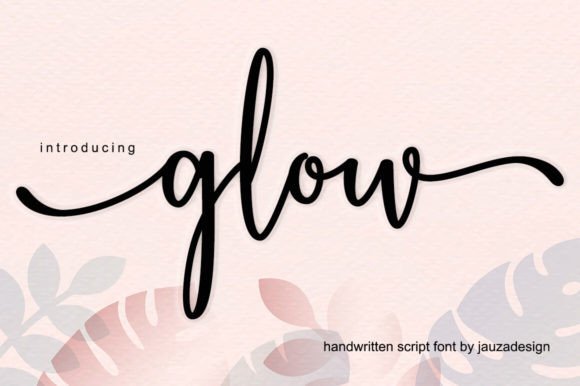
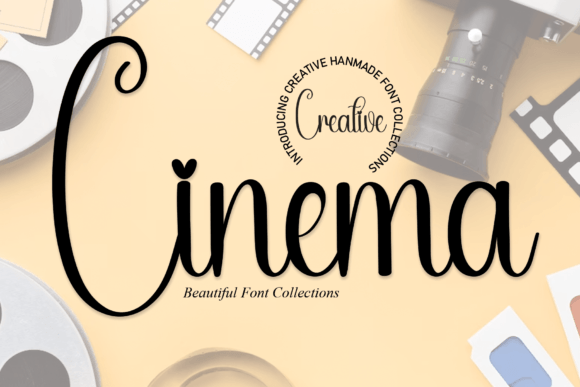
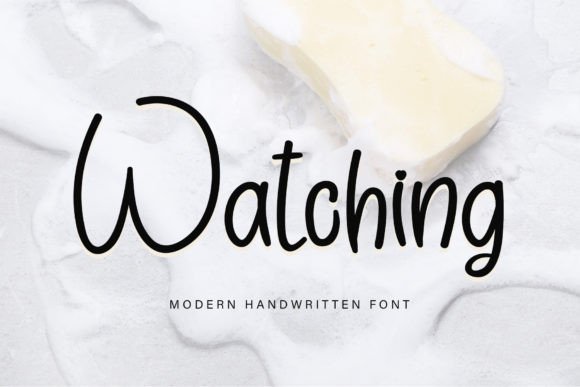
At its core, a hand-drawn font is a typeface that mimics the irregularities of human handwriting. Unlike traditional digital fonts, which are mathematically precise and identical every time they are used, hand-drawn fonts embrace asymmetry. They feature varying baseline shifts, inconsistent stroke weights, and organic shapes that mimic the use of a pen, pencil, or marker.
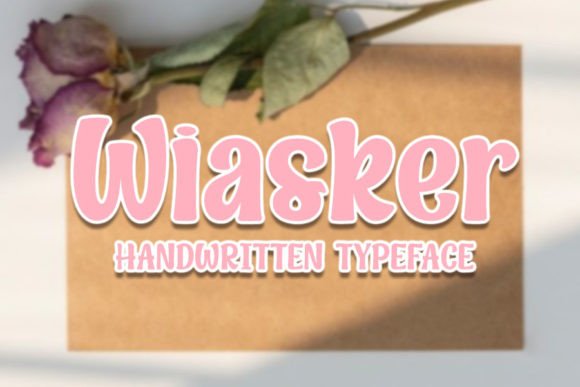
Wiasker exemplifies this concept perfectly. It is designed to capture the essence of a personal note. When you look at a paragraph written in Wiasker, it doesn't feel like it was generated by a machine; it feels like it was sketched by a person. This distinction is vital because typography sets the tone before a single word is read. A sharp, geometric font suggests efficiency and modernity, while a font like Wiasker suggests warmth, creativity, and approachability.
The Psychology of Imperfection
Why do we find fonts like Wiasker so appealing? The answer lies in the psychology of perfection. In a world saturated with algorithmic content and AI-generated images, consumers are becoming increasingly skeptical of "perfection." Perfection can feel cold, sterile, or even artificial.
Wiasker’s imperfect lines act as a signal of humanity. They tell the viewer that there is a real person behind the message. This concept is often referred to as "Wabi-Sabi" in Japanese aesthetics—finding beauty in imperfection. In marketing and communication, this translates to trust. A handwritten style suggests that a brand is transparent and unpretentious.
The Anatomy of Wiasker: What Makes It Unique?
While there are many handwriting fonts on the market, Wiasker distinguishes itself through its specific balance of legibility and style. Some script fonts are so ornate that they become difficult to read, particularly in smaller sizes. Others are so basic that they look like standard computer fonts with a slight tilt.
Wiasker occupies a "sweet spot" that makes it incredibly versatile. Here are the key characteristics that define its utility:
- Natural Flow: The letters connect in a way that mimics the natural movement of a hand across paper. There is a rhythm to the text that guides the eye smoothly from left to right.
- Organic Texture: The strokes of Wiasker often appear as though they were made by a dry marker or a fountain pen. This texture adds depth and visual interest that flat, digital fonts lack.
- Variable Baselines: In a standard font, every letter sits on the exact same invisible line. In Wiasker, the letters dance slightly above and below this line, creating a dynamic and lively appearance.
- Expressive Characters: The individual glyphs have personality. The loops on the 'g' and 'y' or the cross on the 't' are not standardized; they have character, making the text feel alive.
Practical Applications: Where Wiasker Shines
Understanding the aesthetic is one thing; knowing how to apply it is another. Wiasker is not suitable for every situation—for instance, it would be difficult to read in a dense legal document or a technical manual. However, in the right context, it is a powerful tool for design and communication.
Branding and Logo Design
For small businesses, freelancers, and startups, the brand voice is often friendly and personal. Wiasker is an excellent choice for logos or brand marks that want to convey artisanal quality. A bakery, a coffee shop, a boutique clothing line, or a handmade craft store can use Wiasker to instantly communicate that their products are made with care and attention to detail. It suggests a "mom-and-pop" feel even in a digital space.
Social Media and Content Creation
Social media is a crowded space. To stand out, content needs to stop the scroll. Visuals that incorporate hand-drawn elements tend to perform well because they break the monotony of standard corporate graphics. Using Wiasker for quotes, callouts, or headlines on Instagram, Pinterest, or TikTok can make the content feel more intimate and relatable. It mimics the style of popular "studygram" or "journaling" communities where personal expression is key.
Wedding and Event Stationery
The wedding industry has long relied on calligraphy to convey elegance and romance. Wiasker offers a digital alternative to expensive hand-lettering services. It can be used for digital invitations, save-the-date cards, and wedding websites to create a cohesive, romantic theme that feels bespoke without breaking the budget.
Greeting Cards and Packaging
In the world of e-commerce, the "unboxing experience" is crucial. Brands use Wiasker on thank-you cards, stickers, and packaging inserts to add a personal touch. A simple "Thank you for your order!" written in a font like Wiasker feels much more sincere than the same message in Arial or Times New Roman.
Wiasker in the Digital Age: Technology Meets Tradition
It is an interesting paradox that we use the most advanced technology—computers and the internet—to recreate the look of the oldest form of writing: the handwritten word. Fonts like Wiasker bridge the gap between the efficiency of digital typesetting and the emotional resonance of analog art.
For web designers, Wiasker serves a specific functional purpose. It is often used as a display font. This means it is used for headlines, subheadings, or short phrases rather than body text. This strategy allows designers to inject personality into a webpage without sacrificing the usability and readability of the content. A webpage might use a clean, sans-serif font for the main paragraphs (ensuring easy reading) but use Wiasker for the headings to draw attention and set a creative mood.
Common Misunderstandings About Hand-Drawn Fonts
Despite their popularity, there are misconceptions about using fonts like Wiasker. It is important to clarify these to help readers make better design choices.
- "They are only for casual projects." While Wiasker is friendly, it is not necessarily "childish." When paired with the right colors and imagery, it can be sophisticated and elegant. It fits well into high-end creative portfolios or luxury artisan branding.
- "They are hard to read." This depends entirely on the specific font and the size. Wiasker is designed with legibility in mind. While you shouldn't write a 500-word blog post entirely in Wiasker, it is perfectly legible for headlines and short sentences.
- "They look unprofessional." Professionalism is context-dependent. A law firm using Wiasker would look unprofessional. A graphic designer using Wiasker to showcase their creativity looks highly professional. The key is matching the font to the audience's expectations.
The Significance of the "Human Touch" in Education and Learning
Beyond commercial use, fonts like Wiasker have a place in education and learning materials. Educational psychologists have noted that materials that appear less rigid can reduce cognitive load and anxiety in learners. Handwritten-style fonts are often used in children’s books to make the reading experience feel more like a story told by a parent or teacher rather than a textbook.
Furthermore, in the world of "digital planning" and "GoodNotes" usage, Wiasker-style fonts are indispensable. They allow users to create templates that look like real paper planners, bridging the gap between digital convenience and the tactile satisfaction of writing on paper.
Conclusion: Embracing Authenticity with Wiasker
The enduring appeal of Wiasker is a testament to our collective desire for authenticity. In a world of straight lines and perfect geometry, we crave the wobble of a hand-drawn curve. Wiasker is more than just a collection of vector points; it is a tool for storytelling. It allows creators to bypass the coldness of the machine and speak directly to the human on the other side of the screen.
Whether you are a business owner looking to soften your brand image, a designer seeking to add texture to a layout, or an individual creating a personal project, Wiasker offers a versatile and emotionally resonant solution. By understanding its characteristics and applying it thoughtfully, you can harness the power of the handwritten word to make your digital communications feel truly human.