Mastering Bariken: How to Use This Elegant Serif Font Without the Common Pitfalls
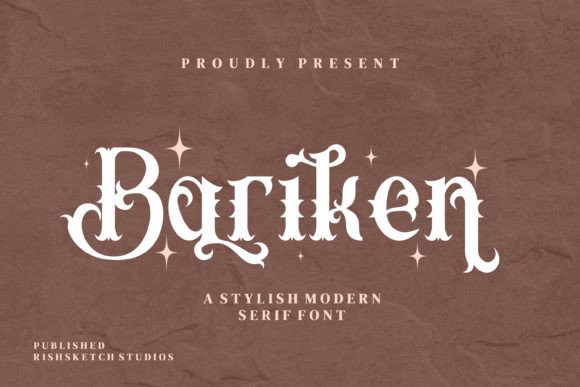
You have likely seen it gracing the header of a luxury brand website or adding a touch of sophistication to a wedding invitation: Bariken is a charming and elegant serif font. It captures the essence of classic typography with a modern flair, making it a favorite among designers who want to evoke a sense of timeless beauty. However, as with any specialized tool, there is a significant difference between simply owning the font and knowing how to wield it effectively. If you are a graphic designer, a small business owner, or a hobbyist looking to elevate your visual content, understanding the nuances of Bariken will save you from costly design mistakes and ensure your message lands with the impact you intend.
The Allure and the Reality of Elegant Serif Fonts
At its core, Bariken is designed to be versatile. Its flowing curves and distinctive ligatures make it perfect for creating gorgeous wedding invitations, beautiful stationary art, and eye-catching social media posts. The font balances readability with artistic flair, allowing it to function well in display sizes while retaining a unique character that standard serif fonts often lack. However, this versatility is also where many users get tripped up. The assumption that a "versatile" font works everywhere, at every size, and in every color is a misconception that leads to cluttered designs and poor user experience.
One of the most frequent errors beginners make is ignoring the context of their project. Bariken is a serif font, which inherently carries specific connotations of tradition, authority, and elegance. Using it for a brand that wants to convey a raw, industrial, or hyper-modern tech vibe can create a disconnect with the audience. Before you commit to using Bariken, ask yourself if the "personality" of the font aligns with your brand voice. If you are designing a logo for a minimalist construction company, for instance, the intricate details of Bariken might look out of place. Conversely, for a boutique bakery, a high-end fashion blog, or a photographer’s portfolio, it is often the perfect choice.
The Trap of Over-Decoration
A common pitfall with elegant typefaces is the temptation to use every stylistic alternate and swash available. Bariken offers beautiful decorative elements, but overusing them can quickly turn a professional design into something that looks amateurish or illegible. Think of these flourishes as spices in a cooking recipe; a little enhances the flavor, but too much ruins the dish.
When designing social media graphics or invitations, it is crucial to maintain a hierarchy. If you use a highly ornate version of Bariken for your main headline, consider pairing it with a clean, simple sans-serif font for the body text. This contrast not only makes the design more readable but also highlights the beauty of the serif font by giving the eye a place to rest. Do not fall into the trap of using Bariken for every single line of text; that approach creates visual fatigue and dilutes the elegance you are trying to achieve.
Practical Mistakes in Sizing and Spacing
Typography is as much about the space around the letters as the letters themselves. A frequent mistake when using fonts like Bariken is neglecting kerning and leading. Because Bariken features unique letterforms, the default spacing provided by design software may not always be perfect, particularly at large display sizes.
For example, when creating a wedding invitation, you might notice that the letters "T" and "y" look slightly too far apart or too close together. Ignoring this makes the text look disjointed. Take the extra minute to manually adjust the kerning for your main headlines. Similarly, pay attention to line height (leading). Serif fonts generally require a bit more breathing room than sans-serifs to be readable. If your text feels cramped, increase the leading slightly. This small adjustment can transform a block of text from "difficult to read" to "inviting to browse."
File Formats and Technical Compatibility
Another area where professionals and hobbyists alike stumble is in the technical execution of downloading and installing fonts. You might have found a great deal on Bariken, but did you check the file format? For web use, you need web-font formats (like WOFF or WOFF2), while print design requires desktop formats (like OTF or TTF). Using a desktop font on a website will slow down your load times and potentially break the layout on different browsers.
Furthermore, licensing is a detail often overlooked until it becomes a legal headache. Always verify what the license allows. Can you use Bariken on merchandise you intend to sell? Can you use it in a logo for a client? "Free for personal use" does not mean free for commercial use. Checking these details before you finalize a design prevents you from having to rebrand later, which is a costly and time-consuming process.
Choosing the Right Partner Fonts
Bariken stands out, but it rarely works in isolation. A major oversight in design is failing to pair serif fonts correctly. If you pair Bariken with another highly stylized serif font, the result is often chaotic. The fonts compete for attention rather than working together.
A better approach is to look for contrast. A geometric sans-serif often pairs beautifully with an elegant serif like Bariken. The clean lines of the sans-serif provide a modern counterbalance to the classic feel of the serif. When testing pairings, look at the weight and the x-height. You want fonts that feel balanced on the page, even if they look different. For instance, if Bariken is your headline font, choose a sans-serif that is slightly lighter in weight for the sub-headers to create a smooth visual transition.
Evaluating Readability Across Devices
In today's multi-screen world, you cannot design for print alone. If you are using Bariken for a blog header or a website title, you must test how it renders on mobile devices. Intricate serifs can sometimes blur together on low-resolution screens, making the text hard to read. Always preview your designs on a smartphone and a tablet. If the font loses its clarity at smaller sizes, reserve Bariken strictly for large headlines and use a more robust, screen-optimized font for your mobile interface.
Ultimately, Bariken is a powerful asset in your design toolkit, provided you treat it with respect. By avoiding the urge to over-decorate, paying close attention to spacing and technical specs, and pairing it with the right complementary fonts, you ensure that your projects look polished and professional. Good design is about making intentional choices; understanding these common pitfalls allows you to use Bariken to its full potential, creating visuals that are not only beautiful but also effective.