Kinda: The Sans Serif Display Font for Bold, Modern Design
In the crowded landscape of digital typography, finding a font that balances personality with professionalism is a rare discovery. Many designers face a common dilemma: they need type that commands attention for headlines and branding, yet remains versatile enough for various applications without losing its distinct character. This is where Kinda, a contemporary sans serif display font, enters the conversation. It offers a unique blend of bold aesthetics and functional flexibility, making it a compelling tool for creative professionals and enthusiasts alike.
Understanding the Core of Kinda
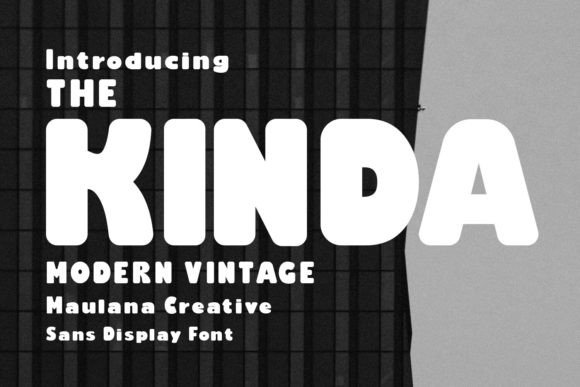
At its heart, Kinda is a sans serif display typeface designed for impact. Its defining characteristics include tall, sharp letterforms and a bold stroke weight that ensures high visibility and a strong presence on any canvas. But what sets it apart from other bold sans serifs is its infusion of fun and creativity. The font incorporates subtle ligatures and alternate characters, allowing designers to add a touch of uniqueness and flair to their work. This isn't just a utilitarian font; it's a tool for expression.
A significant challenge in global design is ensuring typographic consistency across languages. Kinda addresses this head-on with extensive multilingual support, covering over 100 languages. This makes it a practical choice for international brands, multilingual publications, and projects requiring broad linguistic reach, eliminating the need to source multiple fonts for different regions.
Practical Applications: Where Kinda Shines
The true value of any typeface is measured by its application. Kinda excels in scenarios where clarity and visual punch are paramount. Its design makes it particularly effective for:
- Logo Design and Branding: The bold, sharp strokes of Kinda create memorable and assertive logos. The availability of ligatures and alternates allows for the creation of custom logotypes that feel unique and tailored, helping a brand stand out in a competitive market.
- Social Media Graphics: On fast-scrolling platforms like Instagram, Twitter, and Facebook, your text needs to capture attention in an instant. The tall, high-contrast letterforms of Kinda are perfect for impactful quotes, promotional banners, and story overlays, ensuring your message is not missed.
- Editorial and Entertainment Titles: Whether for a book cover, a movie poster, or a magazine feature, Kinda provides the dramatic weight needed for titles. Its sharp edges and bold presence convey a sense of modernity, energy, and importance, setting the tone for the content within.
- Short and Long Text Compositions: While it excels as a display font, Kinda is also legible enough for short blocks of text, such as pull quotes, subheadings, or call-to-action buttons. Its versatility extends to functioning well as a secondary text font, pairing harmoniously with a more traditional serif or sans serif for body copy, creating a dynamic typographic hierarchy.
Addressing Common Design Goals with Kinda
Different users approach projects with different goals. Kinda can be adapted to meet a variety of needs:
- For the Brand Strategist: The goal is to create a cohesive and powerful brand identity. Using Kinda for all display elements—from the website hero text to packaging headings—builds a consistent visual language. Its multilingual support ensures this identity translates seamlessly across global markets.
- For the Social Media Manager: The need is for content that drives engagement. Implementing Kinda in templates for quotes, announcements, and promotions creates a recognizable and professional aesthetic for the brand's feed, boosting visual appeal and shareability.
- For the Indie Publisher or Author: The challenge is to make a book stand out on a digital shelf. A cover title set in Kinda immediately signals a modern, confident voice, attracting readers looking for contemporary fiction or non-fiction. Its readability ensures the title is clear even as a thumbnail.
- For the Web Designer: The objective is to enhance user experience and visual interest. Using Kinda for key headings and navigation elements can break up visual monotony and guide the user's eye, improving the site's overall aesthetic and flow. Pairing it with a clean, neutral sans serif for body text, like Open Sans or Lato, often yields a balanced and readable result.
Recommendations for Effective Implementation
To maximize the potential of Kinda, consider the following practical tips:
- Context is Key: Use Kinda where its bold character can be appreciated—headlines, banners, logos, and short impactful phrases. Avoid using it for lengthy paragraphs of body text, where its display nature might reduce readability.
- Explore Alternates: Don't just use the default characters. Dive into the ligatures and alternate glyphs included with Kinda. Swapping a standard letter for an alternate can transform a standard word into a custom piece of art, perfect for logos or hero text.
- Pair Thoughtfully: As a bold display font, Kinda benefits from a contrast partner. Pair it with a lighter-weight, highly readable sans serif or a classic serif font for body copy. This creates a clear visual hierarchy and prevents the design from feeling overwhelming.
- Test for Readability: Always test your chosen text at the intended size and on various devices. While Kinda is designed for clarity, ensuring your specific message remains legible in its final context is crucial.
In conclusion, Kinda is more than just a set of letters; it's a versatile design asset for creating work that is both visually striking and functionally robust. Its combination of bold, sharp aesthetics, creative alternates, and unparalleled multilingual support makes it a valuable addition to any designer's toolkit. Whether you're crafting a global brand identity, designing a captivating social media presence, or titling your next creative project, Kinda provides the means to make a stunning and lasting impression. By understanding its strengths and applying it thoughtfully, you can unlock new levels of creativity and effectiveness in your typographic designs.