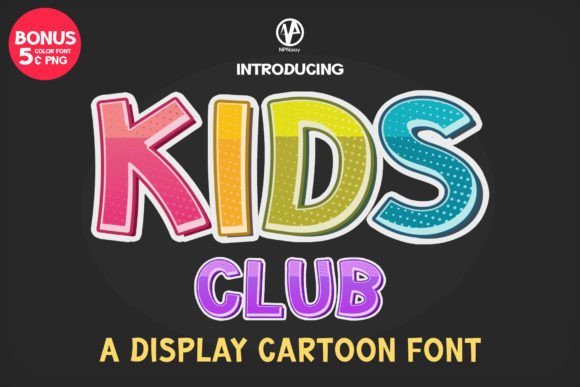
Kids Club: Capturing Joy in Every Letter
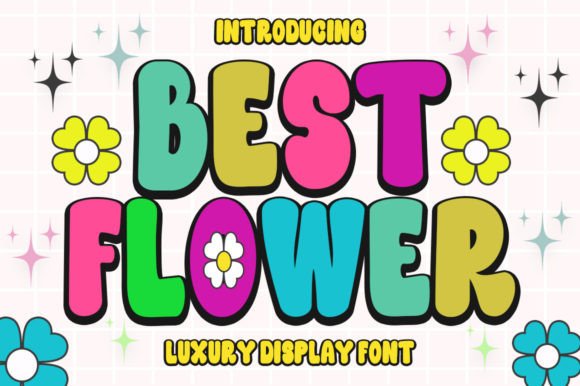
There is a specific kind of magic in the typography of childhood. It is the lettering that feels like a Saturday morning cartoon, the text on a cereal box that promises adventure, and the playful scrawl on a birthday invitation. Kids Club is a typeface that lives in this world. It is a display font characterized by its thick, rounded, and playful letterforms, designed specifically to evoke a sense of fun and approachability. While the name suggests a specific demographic, the reality of Kids Club is much broader. It is a tool for anyone looking to inject warmth, nostalgia, and lightheartedness into their visual communication.
The Psychology of Playful Typography
Before diving into specific use cases, it helps to understand why a font like Kids Club works so well. In design, weight and shape dictate emotion. Thin, serif fonts often suggest tradition, luxury, or seriousness. Thick, rounded sans-serifs, however, signal safety, friendliness, and approachability. Because Kids Club is a "thick lettered" font, it commands attention immediately, but its soft edges prevent it from feeling aggressive or overwhelming. This balance makes it incredibly versatile for brands and creators who want to be seen as welcoming rather than corporate.
Real-World Applications for Educators and Parents
The most immediate application for Kids Club is, naturally, within educational and domestic environments. For teachers and homeschooling parents, the font serves as a functional bridge between learning and engagement.
- Classroom Organization: Labeling bins for supplies, cubbies for coats, or sections of a reading corner becomes much more engaging when the typography is visually stimulating. Kids Club is thick enough to be read from across a room, making it practical for signage.
- Digital Learning Materials: If you are creating PDF worksheets or interactive slides for young learners, standard system fonts can feel sterile. Using Kids Club for headers or emphasis words can make the material feel less like a test and more like a game.
- Party Invitations: For the parent organizing a birthday bash, this font solves the "blank page" problem. It instantly sets the theme—whether it is a superhero party, a princess tea, or a simple park gathering—before the guest even reads the details.
Branding for the "Young at Heart"
One of the most practical insights for designers is that Kids Club is not just for products sold to children; it is for products sold to adults who value whimsy. This includes a wide variety of industries:
- Food and Beverage: Consider a local bakery, an ice cream parlor, or a specialty donut shop. These businesses want to signal indulgence and happiness. Kids Club works perfectly for menu headers or packaging stickers because it mimics the joy associated with treats.
- Family-Oriented Services: Pediatricians, dentists, and family photographers often struggle to market themselves without looking too clinical. A font like Kids Club in a logo or on a website banner can instantly lower the anxiety barrier for children (and their parents) entering a new space.
- Creative Boutiques: Modern "maker" culture often embraces a DIY aesthetic. If you sell handmade slime, bath bombs, or quirky art prints, Kids Club aligns with the tactile, fun nature of the product.
Digital Content and Social Media
In the fast-scrolling environment of social media, attention is the currency. Kids Club excels here because of its visual density. It is a "heavy" font that anchors a design.
Content creators on platforms like YouTube or TikTok often use this style for video thumbnails. The thick strokes ensure that the text remains legible even on small mobile screens. Furthermore, for influencers in the parenting niche, gaming niche, or lifestyle vlogging space, Kids Club helps establish a consistent visual identity that feels personal and curated rather than generic.
Design Considerations and Best Practices
While Kids Club is a powerful tool, it requires a thoughtful approach to be used effectively. Typography is about context and contrast.
Pairing is Key: Because Kids Club is so distinctive and stylized, it should rarely be used for body text. Imagine reading a full paragraph in a thick, cartoonish display font; it would cause eye strain very quickly. Instead, the best practice is to pair it with a clean, neutral sans-serif font (like Roboto, Open Sans, or Lato) for the smaller details. This allows Kids Club to handle the headlines and "shout" the message, while the secondary font handles the storytelling.
Spacing and Layout: Thick fonts like Kids Club take up more visual real estate than their thinner counterparts. When designing a layout, you need to account for this "visual weight." Ensure there is plenty of negative space (whitespace) around the text so the design doesn't feel cluttered. If the letters are too tight, the text can become difficult to decipher, losing its friendly appeal.
Color Psychology: Kids Club pairs beautifully with bright, saturated colors. Pastels can also work well for a softer, more vintage baby-shower aesthetic. However, using this font in stark black and white can sometimes feel too harsh. Introducing a pop of color—whether a vibrant blue, a sunny yellow, or a soft pink—helps soften the thick strokes of the typeface.
When Not to Use It
Understanding the limitations of a font is just as important as knowing its strengths. Kids Club is a display font, meaning it is designed for large sizes and short bursts of text.
It is generally not suitable for:
- Corporate Reports: If you are drafting a financial summary or a formal business proposal, this font will undermine your credibility.
- Legal Documents: Legibility and seriousness are paramount in legal contexts; a playful font is inappropriate here.
- Dense Academic Text: Long-form reading requires a font designed for flow, not just impact.
The "Fun Factor" in Marketing
Ultimately, the value of Kids Club lies in its ability to disarm the viewer. In a world saturated with sleek, minimalist, and sometimes cold corporate branding, a thick, playful font feels like a smile. It suggests that the creator behind the content doesn't take themselves too seriously and that the experience will be enjoyable.
Whether you are designing a logo for a new daycare center, creating a header for a parenting blog, or labeling jars in your pantry, Kids Club offers a reliable way to inject personality into your project. It reminds us that design doesn't always have to be about sharp edges and serious tones—sometimes, it just needs to be fun.