Grinds: The Handwritten Brush Font for Authentic Branding
Typography is more than just arranging letters on a page; it is the visual voice of your message. In a digital landscape saturated with sleek, geometric sans-serifs and sterile corporate fonts, there is a growing hunger for design elements that feel human, tactile, and raw. This is where Grinds enters the conversation. It is not merely a collection of characters; it is a handwritten display brush font designed to inject energy, personality, and an organic touch into your creative projects.
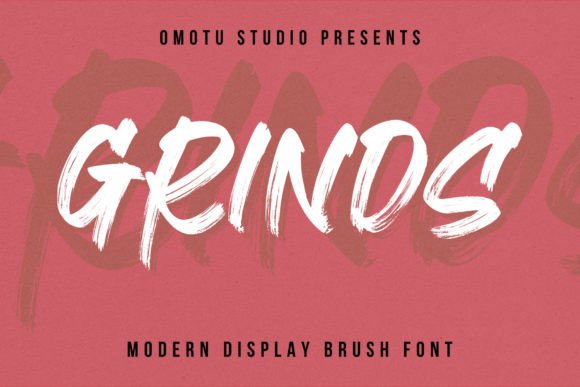
At its core, Grinds is defined by its texture. It mimics the natural imperfections of ink flowing from a brush tip, creating a dynamic contrast between thick and thin strokes. This aesthetic makes it particularly suitable for contexts where you want to grab attention without looking overly polished or corporate. It bridges the gap between artistic expression and commercial readability, offering a unique tool for visual storytelling.
Understanding the Aesthetic: What Makes Grinds Unique?
To appreciate Grinds, one must understand the nuances of the brush font category. Unlike standard serif or sans-serif typefaces that prioritize uniformity, a handwritten display font embraces irregularity. The charm of Grinds lies in its authenticity. It suggests that a human hand was involved in the creation of the text, which can subconsciously build trust and relatability with an audience.
As a display font, Grinds is engineered for impact rather than long-form reading. It commands attention in headlines, logos, and headers. The "grind" in the name likely alludes to the gritty, textured finish of the brush strokes, suggesting a sense of effort, determination, and street-level cool. This makes it an excellent choice for projects that need to convey resilience or artistic flair.
Visual Characteristics and Versatility
The visual weight of Grinds allows it to stand alone as a design element. It works exceptionally well against clean, minimalist backgrounds where the font’s texture can take center stage. However, its versatility extends beyond simple aesthetics. It is designed to be legible at larger scales, which is critical for signage and apparel. When you look at the font, you see movement. The letters feel like they are in motion, making them ideal for themes involving sports, music, lifestyle, and creative industries.
Practical Applications: Where Grinds Shines
The true value of a typeface is measured by its utility across different mediums. Grinds is designed with a wide array of applications in mind, ranging from digital assets to physical merchandise. Because it is a display font, it shines brightest in short bursts of text where emotional resonance is more important than informational density.
- Branding and Logotypes: For businesses aiming to project an image of creativity or edginess, Grinds offers a distinct voice. It is particularly effective for logotypes that need to be memorable and distinct from corporate competitors.
- Apparel and Merchandise: The texture of Grinds translates beautifully onto fabric. It is a popular choice for T-shirts, hoodies, and caps, especially in streetwear or lifestyle brands. The font looks worn-in and comfortable, which aligns well with casual fashion.
- Packaging and Labels: In the consumer packaged goods (CPG) space, shelf appeal is everything. Grinds can add a handcrafted, artisanal feel to product packaging, suggesting that the product inside is made with care rather than mass-produced by a machine.
- Marketing Collateral: Whether it is a flyer for a local event, a poster for a gig, or a header for a blog post, Grinds provides the visual hierarchy needed to draw the eye. It is also effective in advertising where you need to cut through the noise quickly.
How Different Audiences Utilize Grinds
Different creative professionals will interact with Grinds in distinct ways, depending on their specific needs and the problems they are trying to solve. The font’s utility is not one-size-fits-all; rather, it adapts to the context of the user.
For Graphic Designers and Creators
Experienced designers often look for fonts that offer flexibility without sacrificing personality. For a designer, Grinds is a tool for adding "flavor" to a layout. They might use it to break the monotony of a clean layout or to establish a specific mood instantly. A designer evaluates Grinds not just on how it looks, but on how it pairs with other typefaces. It typically pairs well with clean sans-serifs, allowing the brush font to act as the accent while the other font handles the heavy lifting of body text.
For Small Business Owners and Entrepreneurs
For an entrepreneur launching a new brand, the choice of font is a strategic decision. A small business owner in the coffee, fitness, or boutique retail sector might choose Grinds to differentiate themselves from big-box stores. The priority here is commercial value and presentation. They need a font that looks professional enough to inspire confidence but unique enough to be remembered. Grinds offers a cost-effective way to achieve a high-end, custom look without commissioning expensive hand-lettering.
For Educators and Content Creators
In the realm of education and content creation, engagement is key. Educators creating presentation slides or course materials might use Grinds for section headers to make the content feel more approachable and less rigid. Similarly, bloggers and YouTubers use this style of font for thumbnails and graphics. The goal here is speed and relatability. The handwritten style suggests a personal connection, as if the creator is speaking directly to the viewer, which can help in building a loyal community.
For Hobbyists and DIY Enthusiasts
Not everyone using Grinds is doing so for profit. Hobbyists involved in scrapbooking, card making, or personal journaling often seek out brush fonts to add a decorative touch to their personal projects. For this group, the priority is ease of use and creativity. They are looking for a font that is fun to experiment with and can add a professional polish to homemade gifts or personal stationery.
Evaluating the Tool: Priorities and Decision Making
When deciding whether to integrate Grinds into a workflow, different users weigh different priorities. Understanding these priorities can help you determine if this font aligns with your project goals.
- Quality and Reliability: For professionals, a font must render well across different devices and sizes. A high-quality brush font like Grinds maintains its texture even when scaled up, ensuring that the "grind" effect doesn't turn into a blurry mess on large posters.
- Flexibility and Learning Value: Beginners may look for fonts that are forgiving and easy to implement. Grinds, being a display font, is relatively straightforward—you don't need advanced typographic knowledge to make it look good. However, learning how to balance its boldness with white space is a valuable skill for budding designers.
- Long-term Usefulness: Trends in typography come and go. While brush fonts have enjoyed waves of popularity, a font with a timeless texture—like the gritty realism of Grinds—often has more staying power than overly stylized novelty fonts. It represents a specific aesthetic that remains relevant in street culture and artisanal branding.
Matching Grinds to Your Project
Ultimately, the decision to use Grinds should be based on the narrative you wish to construct. If your project requires a sterile, objective, and highly scientific tone, a handwritten brush font is likely the wrong choice. The irregular strokes might convey chaos rather than order in that context.
However, if your goal is to evoke emotion, creativity, energy, or a sense of the human touch, Grinds is a compelling option. It is particularly effective for:
- Short, Punchy Headlines: Use it where you need maximum impact in three to five words.
- Logo Design: Perfect for brands that want to look approachable and cool.
- Social Media Graphics: The texture pops on screens, making it great for Instagram posts or Facebook ads.
- Merchandise: Ideal for designs that need to look good printed on cotton or polyester.
Final Thoughts on Implementation
Using a font like Grinds effectively requires context. It is a tool that demands attention, so it should be used sparingly to avoid overwhelming the viewer. Pairing it with a simple, neutral font for body text is usually the best strategy. This contrast allows the brush texture of Grinds to stand out without sacrificing the readability of your core message.
Whether you are a freelancer designing a logo for a new client, a marketer crafting a campaign for a new product, or a hobbyist working on a creative side project, Grinds offers a way to step away from the mundane. It provides a texture that feels earned and authentic, helping your work stand out in a world of digital uniformity.