A Complete Guide to the American Color Font
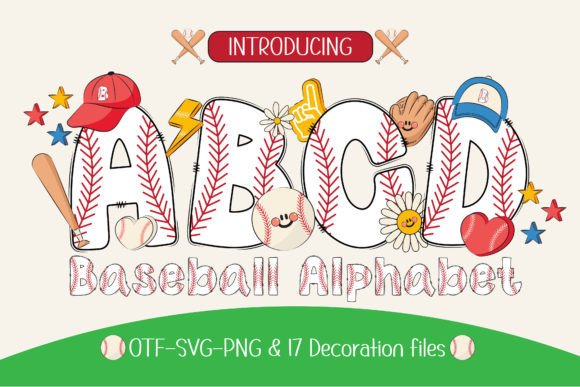
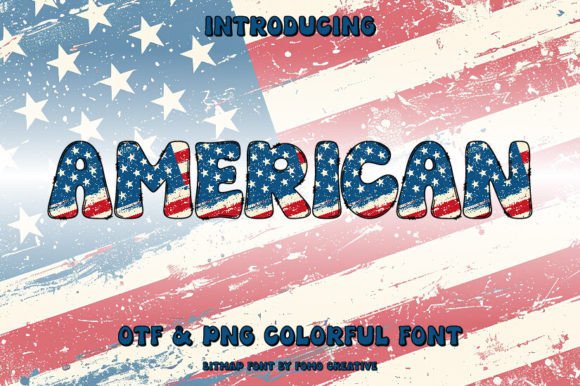
In the diverse landscape of digital typography, the American color font stands out as a unique tool for designers and creators. Unlike traditional single-color typefaces, American is a captivating font that exudes charm and playfulness in every letter. With its lively and vibrant hues, it adds a delightful touch to various designs. Its whimsical characters and colorful palette make it a specialized asset for projects that seek to evoke joy and creativity. This guide provides a balanced evaluation to help you determine if American is the right choice for your specific needs.
Understanding the American Color Font
At its core, American is a color font, also known as a chromatic font. This technology allows type designers to embed multiple colors, gradients, and even textures directly within the font file itself. When you type a letter using American, you are not just getting a shape filled with a single color; you are applying a pre-designed, multi-hued graphic to each character. This is a significant departure from standard fonts where color must be applied separately after the text is typed. The result is a visually rich and consistent appearance that can mimic hand-painted lettering, retro signage, or playful illustrations. The primary appeal of American lies in its ability to deliver complex, eye-catching typographic effects with the simplicity of typing text.
Why Consider Using American?
There are several compelling reasons a designer or content creator might be drawn to American. Its most obvious advantage is the instant visual impact it provides. For projects that need to grab attention quickly, such as event posters, social media graphics, or party invitations, the vibrant and integrated design of American can be highly effective. It eliminates the need for time-consuming manual coloring or layering effects in design software, streamlining the workflow for creating standout headers or logos.
Furthermore, American excels at conveying a specific mood. Its playful and whimsical nature makes it an excellent fit for brands, products, or content targeting audiences that appreciate creativity and fun. Think children’s book titles, bakery logos, music festival branding, or craft project headings. The font itself communicates a tone of approachability and lightheartedness, which can be a powerful branding tool when used appropriately.
Key Benefits and Practical Tradeoffs
Evaluating American requires weighing its benefits against its inherent limitations. The primary benefit is its aesthetic efficiency and unique style. It offers a polished, professional-looking color effect that might otherwise require a graphic designer’s intervention. For non-designers, it democratizes access to advanced typographic styles.
However, the tradeoffs are important to consider. The most significant is readability. The very colors and textures that make American charming can reduce legibility, especially at small sizes, in long blocks of text, or against complex backgrounds. It is generally unsuitable for body copy and should be reserved for headlines, short phrases, or display text. Another consideration is file size and compatibility. Color fonts can be larger than standard fonts, and while support has grown, they may not render correctly in all software or on all platforms. Always test American in your specific design environment and check how it appears on different devices before finalizing a project.
Ideal Use Cases for American
American is a strong fit for specific, targeted applications where its strengths can shine. It is particularly well-suited for:
- Event Materials: Invitations, flyers, and banners for parties, weddings, or community events where a festive, personalized feel is desired.
- Branding for Niche Markets: Logos and packaging for products related to crafts, sweets, children’s goods, or vintage-style merchandise.
- Digital Content Headers: Eye-catching titles for blog posts, YouTube thumbnails, or social media graphics that need to stand out in a crowded feed.
- Poster and Signage Design: Headlines on posters, menu boards, or signage where the text is meant to be decorative and viewed from a moderate distance.
In these scenarios, the playful characters and colorful palette of American directly support the project’s goal of evoking joy and creativity, making it a purposeful choice.
When to Consider Alternatives
Despite its appeal, American is not a universal solution. There are clear situations where alternative typography choices are wiser. For any project requiring maximum readability—such as legal documents, technical manuals, long-form articles, or user interface text—a clean, traditional sans-serif or serif font is essential. The complexity of American would be a hindrance here.
Projects with a serious, corporate, or minimalist aesthetic also call for alternatives. The whimsical nature of American would clash with a professional tone for a law firm, a financial institution, or a high-end luxury brand seeking understated elegance. Similarly, if your design requires extensive color customization—where you need to match exact brand colors or create subtle gradients—a standard font with manual coloring might offer more control than the pre-set hues of American.
Making Your Decision
To determine if American aligns with your goals, ask yourself a few practical questions. First, what is the primary purpose of the text? If it’s to inform or be read at length, look elsewhere. If it’s to decorate, attract, or set a playful mood, American deserves consideration. Second, what is the context of use? Will it be viewed on screens, in print, or both? Test its compatibility with your output method. Finally, consider the audience and brand voice. Does the font’s personality match the message you want to convey and the people you want to reach?
Ultimately, American is a specialized tool in the typographic toolbox. It is not a replacement for functional text fonts but rather a powerful option for adding personality and visual flair. By understanding its nature—its ability to deliver vibrant, integrated color effects—and carefully evaluating its fit for your project’s readability needs, aesthetic goals, and technical requirements, you can make an informed decision. When used in the right context, American can transform ordinary text into a memorable and engaging design element.